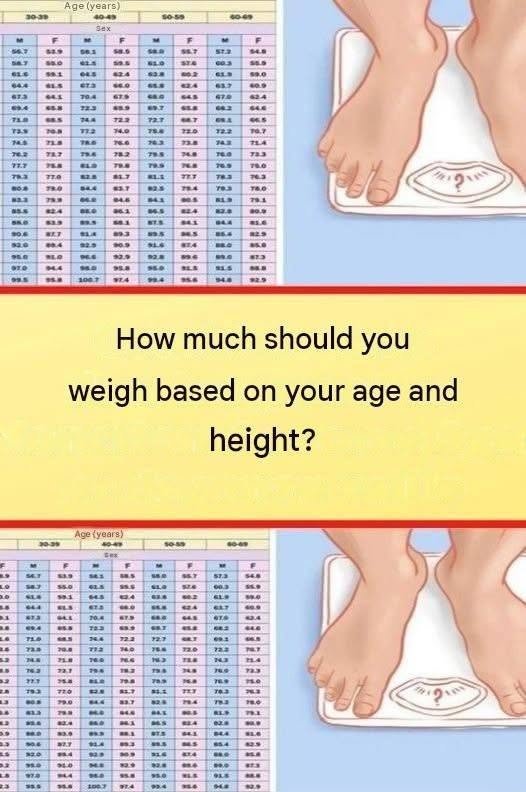
An “ideal weight” is not a single, fixed number on a scale. Instead, modern medicine defines a healthy body weight as a range where your body functions efficiently, your risk for chronic illnesses (such as heart disease and type 2 diabetes) is minimized, and you have the energy to maintain your daily life.
Understanding the Metrics Used to Measure Weight
Clinicians and researchers use several tools to evaluate body weight. Each has distinct strengths and limitations:
| Metric | How It Works | Limitations |
| Body Mass Index (BMI) | Calculates weight relative to height (kg/m²). A standard “healthy” BMI ranges from 18.5 to 24.9. | It is a population-level screening tool, not a diagnostic one. It does not distinguish between muscle mass, bone density, and body fat. (For example, an athletic person with high muscle mass may have a “high” BMI despite being very healthy). |
| Waist Circumference | Measures fat distribution around the abdominal area. High visceral fat is closely linked to metabolic risks. | It does not account for overall height or frame size, though it is a strong indicator of cardiometabolic health. |
| Body Composition | Measures the ratio of fat mass to lean mass (muscle, bone, water) using tools like DEXA scans or bioimpedance. | Requires specialized equipment and is less practical for everyday tracking. |
Why “Ideal Weight” is Highly Individual
Biological and lifestyle variables mean that two people of the exact same height and age can have different healthy weights:
-
Genetics and Body Frame: People inherit different skeletal structures—some have small, delicate frames, while others have broad, heavy bone structures.
-
Muscle Mass: Muscle tissue is significantly denser than fat tissue. A person who strength-trains heavily will weigh more on a scale than an inactive person of the same height, even if they have a lower body fat percentage.
-
Age and Sex: Body fat percentage naturally increases slightly with age, and biological sex influences where fat is typically stored and how much muscle mass is maintained.
Focusing on Metabolic Health Over the Scale
Rather than chasing an arbitrary aesthetic number, healthcare professionals increasingly focus on metabolic health. A person can be at a healthy weight and still have poor metabolic markers, or carry a few extra pounds while having excellent blood pressure, blood sugar, and cholesterol levels.
Sustainable health is best achieved through balanced nutrition, regular physical activity, adequate sleep, and stress management rather than restrictive dieting.
Are you looking at weight guidelines to set a personal fitness goal, or are you trying to evaluate a specific metric like BMI?