Understanding Sarcopenia
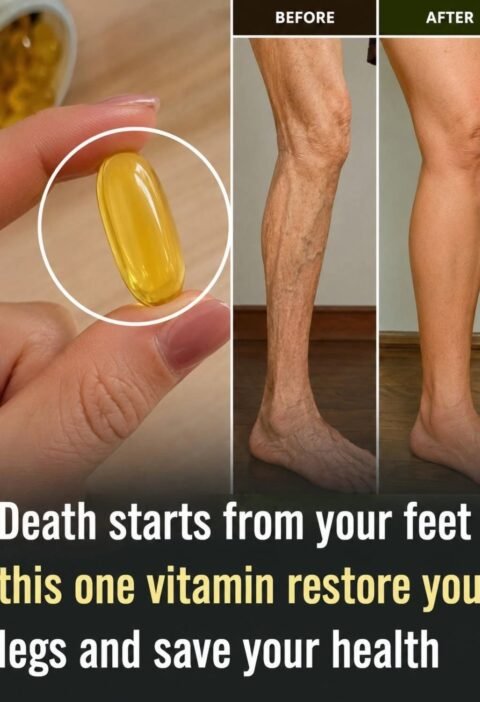
Sarcopenia is the progressive and generalized loss of skeletal muscle mass, strength, and function that occurs naturally as we age. While muscle loss often starts around age 30 (losing roughly 3% to 8% per decade), the decline typically accelerates after age 60 or 65, significantly impacting mobility, balance, and independence.
Key Causes of Muscle Loss
Sarcopenia is rarely caused by just one factor; it is usually driven by a combination of biological, lifestyle, and nutritional changes:
-
1. Age-Related Hormonal Decline: Levels of key anabolic hormones—such as testosterone, growth hormone, and insulin-like growth factor-1 (IGF-1), which signal muscles to grow and repair—naturally decrease with age.
-
2. Physical Inactivity: The “use it or lose it” rule applies strongly here. Sedentary lifestyles, prolonged bed rest, or a lack of resistance exercise cause muscle fibers to shrink and waste away rapidly.
-
3. Anabolic Resistance: As people age, muscle cells become less responsive to the building signals provided by dietary protein and amino acids (particularly leucine), making it harder to build and maintain muscle mass even when eating normally.
-
4. Chronic Inflammation and Oxidative Stress: Aging is often accompanied by low-grade, chronic systemic inflammation, which breaks down muscle tissue faster than the body can rebuild it.
-
5. Inadequate Nutrition: Consuming too little total protein or experiencing a general drop in caloric and nutrient intake deprives the body of the raw materials needed to maintain muscle tissue.
-
6. Chronic Conditions and Disease: Heart failure, kidney disease, type 2 diabetes, and COPD can accelerate muscle wasting due to altered metabolic states.
Practical Solutions to Reverse and Prevent Sarcopenia
Fortunately, sarcopenia can be slowed, stopped, and even partially reversed through targeted lifestyle changes, regardless of your starting point:
-
1. Progressive Resistance Training (PRT)
-
The Solution: This is the single most effective intervention. Lifting weights, using resistance bands, or doing body-weight exercises (like chair squats, wall push-ups, or step-ups) forces muscle fibers to adapt and grow stronger.
-
How to approach it: Aim for 2 to 3 sessions per week, targeting major muscle groups. Gradually increase the resistance or difficulty over time to keep challenging the muscles.
-
-
2. Optimize Dietary Protein Intake
-
The Solution: Older adults often need more protein than younger adults to overcome anabolic resistance.
-
How to approach it: Aim for roughly 1.2 to 1.5 grams of protein per kilogram of body weight daily (unless you have specific kidney restrictions). Distribute your protein evenly across meals—consuming about 25 to 30 grams of high-quality protein (lean meats, fish, eggs, dairy, or plant-based options like tofu and tempeh) per meal maximizes muscle protein synthesis.
-
Focus on Leucine: This specific amino acid triggers muscle growth; it is found abundantly in whey protein, poultry, fish, and eggs.
-
-
3. Ensure Adequate Vitamin D Levels
-
The Solution: Vitamin D plays a crucial role in muscle function, strength, and coordination. Low vitamin D levels are strongly linked to muscle weakness and an increased risk of falls.
-
How to approach it: Get your levels checked by a doctor, spend sensible time in the sunlight, or consider a supplement if recommended.
-
-
4. Stay Consistently Active Throughout the Day
-
The Solution: Avoid long stretches of sitting. Simple daily habits—such as taking brisk walks, gardening, or standing up every 30 minutes—keep your metabolic rate up and support circulation to your lower body.
-
When to consult a specialist: If you notice rapid, unexplained muscle wasting, severe physical weakness, or frequent unsteadiness and falls, speak with a physician or physical therapist. They can perform formal strength and grip assessments and help design a safe, customized physical therapy or nutritional plan.
Are you looking into sarcopenia for yourself or a loved one, or are you currently trying to incorporate specific strength exercises into your routine?