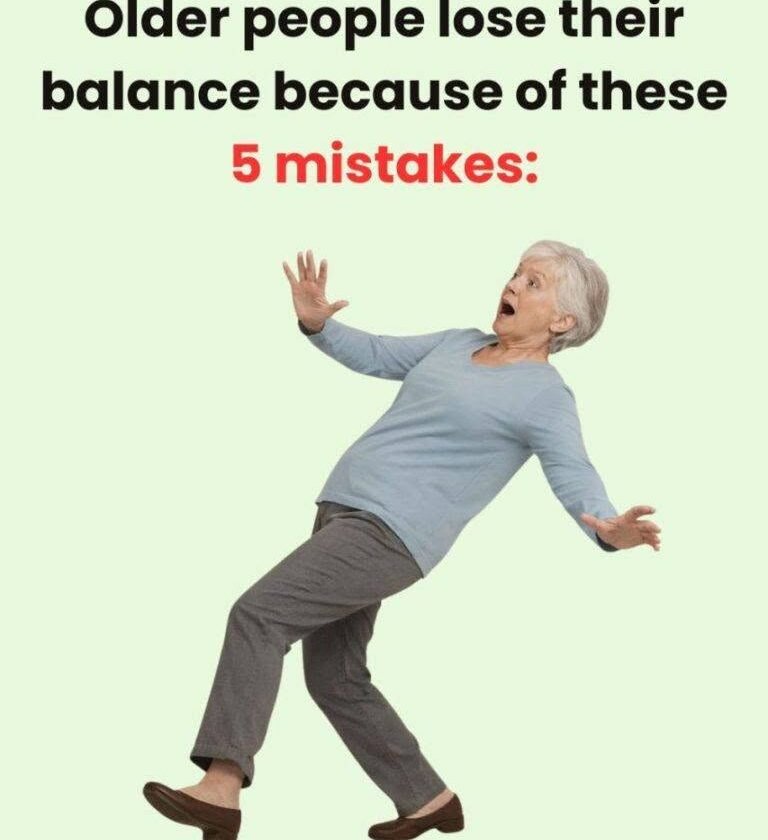
Common Mistakes That Affect Balance in Older Adults
As we age, balance can become more challenging, increasing the risk of trips and falls. Some everyday habits can make balance problems worse:
Not exercising regularly: Lack of strength, flexibility, and balance training can reduce stability.
Wearing unsafe footwear: Loose slippers, high heels, or shoes with worn-out soles can increase the risk of slipping.
Poor lighting: Walking in dark hallways, stairways, or bathrooms makes obstacles harder to see.
Rushing: Getting up or walking too quickly can cause dizziness or loss of balance.
Ignoring dizziness: Repeated dizziness or unsteadiness should not simply be dismissed as a normal part of aging.
Taking medications without reviewing side effects: Some medicines can cause drowsiness, dizziness, or low blood pressure. Medication changes should be discussed with a healthcare professional.
Clutter and loose rugs: Cords, furniture, uneven surfaces, and unsecured rugs can create tripping hazards.
Using walking aids incorrectly: A cane or walker that is the wrong height or used improperly may actually make walking less safe.
Poor vision care: Uncorrected vision problems can make it harder to judge steps, obstacles, and changes in floor height.
Neglecting leg and core strength: Weak muscles can make it harder to recover when balance is disturbed.
Dehydration or skipping meals: These can contribute to weakness, lightheadedness, or feeling unsteady.
Key takeaway: Improving balance usually involves a combination of regular strength and balance exercises, safe footwear, good lighting, a clutter-free home, appropriate vision care, and reviewing medications when needed.