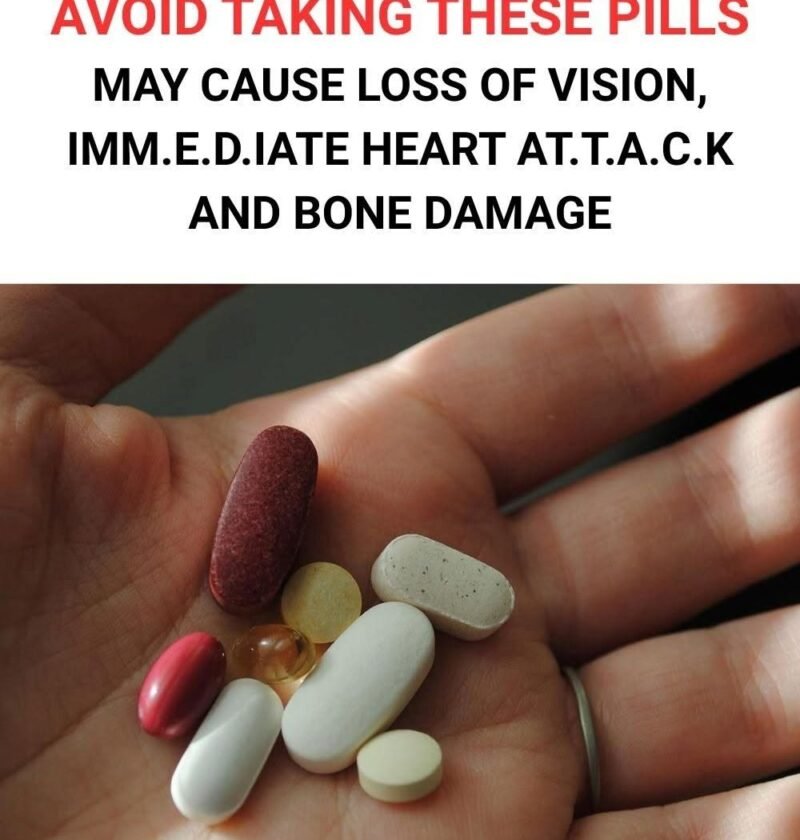
When sensationalized health warnings scream that common tablets can cause “blood clots, thromboses, and heart attacks,” they use shocking medical jargon to spark immediate panic. While medication-induced cardiovascular risks are a serious subject handled closely by regulatory bodies like the FDA, viral fear-mongering rarely provides the necessary clinical context, dosing realities, or patient profiles needed to understand actual risk.
To separate online clickbait from clinical reality, it helps to examine the categories of medications most frequently targeted by these headlines, how their risks are evaluated, and why context matters:
The Medication Categories Most Often Targeted
When viral posts generalize about “tablets” causing clots or heart issues, they are usually targeting a few specific drug classes:
-
Nonsteroidal Anti-Inflammatory Drugs (NSAIDs):
-
Examples: Ibuprofen, diclofenac, celecoxib.
-
The Clinical Reality: Regular, high-dose, long-term use of certain NSAIDs—particularly prescription-strength options like diclofenac—has been shown in clinical studies to modestly increase the risk of cardiovascular events, including heart attacks and strokes, especially in individuals who already have underlying heart disease. However, taking an occasional ibuprofen for a headache does not carry this generalized risk.
-
-
Hormonal Contraceptives (Birth Control Pills):
-
Examples: Combined oral contraceptives containing estrogen and progestin.
-
The Clinical Reality: Estrogen increases the liver’s production of clotting factors, which slightly raises the risk of developing a blood clot (deep vein thrombosis or pulmonary embolism). However, the absolute risk for healthy, non-smoking young women is very low. The risk increases significantly primarily in women over 35 who smoke cigarettes or have specific genetic clotting disorders.
-
-
Hormone Replacement Therapy (HRT):
-
The Clinical Reality: Used during menopause, oral estrogen-based therapies carry a moderately elevated risk of blood clots and cardiovascular events, which is why modern guidelines favor transdermal patches (which bypass the liver’s first-pass metabolism) and tailor the dose carefully to the patient’s age and health history.
-
The Golden Rule: Absolute Risk vs. Relative Risk
Clickbait headlines love to cite “relative risk” because it sounds terrifying (e.g., “Increases risk by 50%!”). However, “absolute risk” tells the true story.
-
If a rare medical event happens to 2 out of every 10,000 people naturally, and a medication raises that risk by 50%, the new risk is 3 out of every 10,000 people.
-
Doctors weigh this tiny statistical increase against the massive, proven benefits of treating chronic pain, preventing unintended pregnancies, or managing severe medical conditions.
What You Should Do
-
Never Stop Prescribed Medications Out of Panic: If you read a scary article about a medication you take daily (such as blood pressure pills, birth control, or pain management drugs), never stop taking them abruptly.
-
Talk to Your Physician or Pharmacist: Your doctor prescribes medications by looking at your unique medical history, age, genetics, and lifestyle risk factors. If you have concerns about side effects or clotting risks, have an open conversation with your healthcare provider to review safer alternatives if necessary.
Are you or someone you know currently taking a medication that triggered concerns after seeing a warning online?