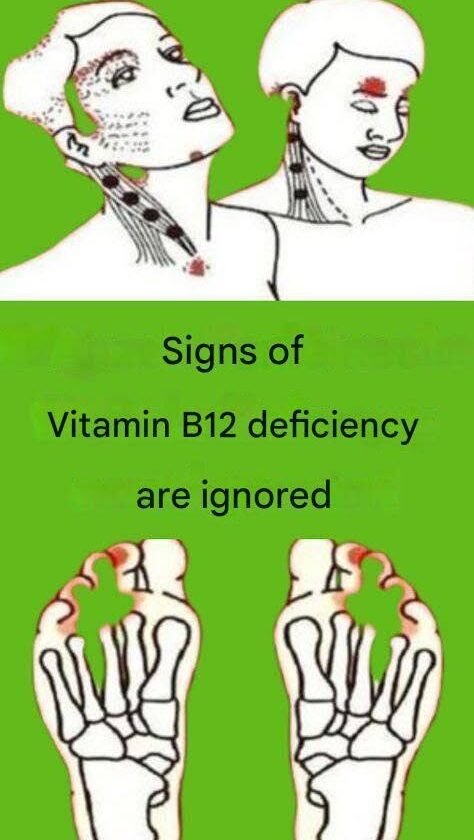
Vitamin B12 is an essential nutrient required for nerve function, DNA synthesis, and the production of red blood cells. Because the body can store several years’ worth of B12 in the liver, a deficiency usually develops slowly over months or years.
Unfortunately, many early signs of a B12 deficiency are subtle, non-specific, and easily dismissed as normal aging, stress, fatigue, or the results of a busy lifestyle. When these early warning signs are ignored, the deficiency can eventually lead to irreversible neurological damage.
Commonly Ignored Signs of Vitamin B12 Deficiency
-
1. Profound Fatigue and Lethargy
-
Why it’s ignored: Everyone feels tired from time to time due to poor sleep or stress.
-
The B12 connection: Without enough B12, your body cannot produce healthy red blood cells efficiently (a condition called megaloblastic anemia). This reduces your blood’s capacity to carry oxygen throughout the body, leaving you persistently exhausted even after a full night’s rest.
-
-
2. Tingling, Numbness, or a “Pins and Needles” Sensation
-
Why it’s ignored: Often blamed on poor circulation, sleeping in an awkward position, or minor nerve compression.
-
The B12 connection: B12 is vital for maintaining the myelin sheath, the protective coating that insulates your nerves. A deficiency can cause peripheral nerve damage, resulting in strange tingling sensations, numbness in the hands or feet, or a feeling of walking on cotton.
-
-
3. Brain Fog, Memory Lapses, and Confusion
-
Why it’s ignored: Attributed to aging, multitasking stress, or lack of sleep.
-
The B12 connection: Low B12 affects neurological function directly. People may struggle to concentrate, forget words, misplace items frequently, or experience mild cognitive sluggishness that mimics early dementia.
-
-
4. Unsteady Balance and Clumsiness
-
Why it’s ignored: Dismissed as simple clumsiness or age-related balance decline.
-
The B12 connection: Nerve damage in the lower extremities can impair your spatial awareness (proprioception)—making it difficult to sense where your feet are relative to the ground, leading to stumbling or unsteadiness.
-
-
5. Pale or Jaundiced (Yellowish) Skin
-
Why it’s ignored: Thought to be a natural skin tone or simple lack of sun.
-
The B12 connection: The breakdown of fragile, improperly formed red blood cells releases excess bilirubin into the system, giving the skin and the whites of the eyes a faint yellowish tint, or causing a pale, washed-out complexion from anemia.
-
-
6. A Smooth, Sore, or Burning Tongue (Glossitis)
-
Why it’s ignored: Mistaken for a mild burn from hot food or a canker sore.
-
The B12 connection: A deficiency can cause your tongue to swell, become inflamed, or lose its tiny bumps (papillae), making it look unusually smooth, glossy, red, or sore, particularly along the edges.
-
-
7. Mood Changes, Irritability, or Low Spirits
-
Why it’s ignored: Put down to situational stress, anxiety, or depression.
-
The B12 connection: B12 is deeply involved in synthesizing brain chemicals (neurotransmitters) like serotonin and dopamine that regulate mood. Low levels are frequently linked to irritability, mood swings, or depressive symptoms.
-
-
8. Shortness of Breath and Dizziness
-
Why it’s ignored: Blamed on being out of shape or standing up too quickly.
-
The B12 connection: Directly tied to the anemia caused by B12 deficiency; because your tissues aren’t getting enough oxygen, you may feel winded during light exertion or lightheaded upon standing.
-
Who is Most at Risk?
While anyone can develop a deficiency, certain groups are much more vulnerable and should monitor their levels closely:
-
Older Adults: Stomach acid production naturally declines with age, which impairs the body’s ability to extract B12 from food.
-
Vegetarians and Vegans: B12 is found almost exclusively in animal products (meat, fish, eggs, dairy), making supplementation or fortified foods essential.
-
People with Digestive Disorders: Conditions like celiac disease, Crohn’s disease, or chronic gastritis can severely block nutrient absorption in the gut.
-
Long-Term Users of Certain Medications: Acid-reducing drugs (like proton pump inhibitors or H2 blockers) and metformin (for diabetes) can inhibit B12 absorption over time.
What to do: A simple blood test ordered by your physician can check your serum Vitamin B12 and methylmalonic acid (MMA) levels. If a deficiency is confirmed, it can easily be addressed through dietary changes, high-dose oral supplements, or prescribed B12 injections.
Are you noticing any of these symptoms in yourself or someone else, or are you exploring this because of a specific dietary lifestyle?