Soft Plaque vs. Hardened Tartar: What Actually Works
| Stage | What It Is | Can You Remove It at Home? | What Happens If You Try Viral “5-Minute Hacks” |
| Soft Dental Plaque (Forms within hours of eating) | A soft, sticky film of bacteria, saliva proteins, and food residue along the gumline. | Yes—in 2 minutes: Thorough brushing with a soft-bristled toothbrush (angled 45° toward the gumline) plus flossing or interdental brushes removes it completely. | Using coarse baking soda, salt, or charcoal scrubs wears down enamel and irritates gums unnecessarily when gentle brushing already removes soft plaque. |
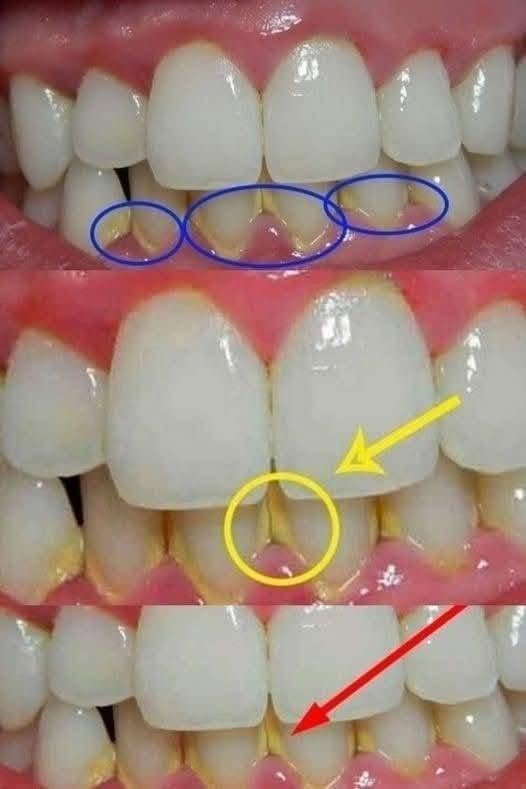
| Hardened Tartar / Calculus (Plaque left undisturbed for 24–72+ hours) | Plaque mineralized by calcium and phosphate in your saliva into a hard, yellow-brown crust above and below the gumline. | No: Once mineralized, only a dentist or dental hygienist can remove it safely using ultrasonic scalers and sterile hand instruments. | Acidic hacks (lemon juice, apple cider vinegar, strawberries) erode enamel irreversibly; metal scraper kits sold online gouge enamel and push bacteria deeper under the gums. |
Why Popular “Natural Plaque Removers” Backfire
-
Lemon juice, apple cider vinegar, or strawberry-baking-soda pastes: Acids soften and dissolve tooth enamel (which never grows back), making teeth yellower (by exposing underlying dentin), sensitive to hot/cold, and more prone to future plaque buildup on rough, etched surfaces.
-
Activated charcoal or coarse baking soda scrubs: High abrasivity wears down protective enamel and causes gum recession without reaching tartar tucked beneath the gumline.
-
Oil pulling (coconut or sesame oil): Swishing oil may mildly reduce surface bacteria and leave the mouth feeling fresher, but clinical evidence shows it cannot remove hardened tartar or replace brushing and flossing.
Safe Daily Routine That Prevents Tartar From Forming
-
Brush twice daily for 2 full minutes with fluoride toothpaste: Use a soft-bristled (manual or oscillating-rotating electric) toothbrush held at a 45-degree angle to the gumline using gentle, short strokes—hard scrubbing damages gums and misses the sulcus where plaque starts.
-
Clean between teeth once a day: Brushing alone misses roughly 35–40% of tooth surfaces; daily floss, water flossers, or interdental brushes clear plaque before it calcifies between teeth.
-
Rinse with plain water after sugary or acidic meals: Wait 30 minutes before brushing after acidic foods or drinks so saliva can re-harden softened enamel.
-
Book routine professional cleanings: Even with great daily brushing, tiny spots behind lower front teeth or upper molars gradually mineralize—a routine dental cleaning removes tartar safely before it triggers gum inflammation (gingivitis or periodontitis).
When to see a dentist promptly: Schedule a dental visit if you see hard yellow or brown crust along the gumline that does not brush off, or if your gums bleed easily when brushing/flossing, look red or swollen, feel tender, or pull back from your teeth, or if you have persistent bad breath or tooth sensitivity.