What Salt Actually Does—and Where It Falls Short
-
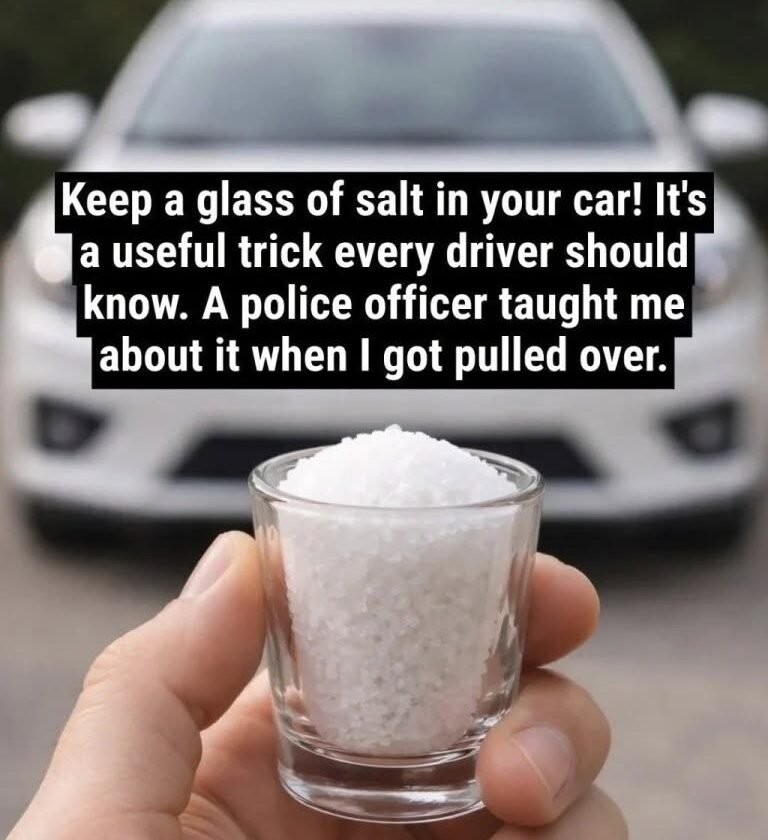
Slow passive drying only: Table salt or rock salt attracts trace water vapor from surrounding air, helping slightly in a closed, parked car over days.
-
Too slow for active condensation: Breathing inside a cool cabin rapidly fogs glass; a cup of salt will not clear the windshield fast enough to drive safely.
-
Limited moisture capacity: A small glass of salt clumps and reaches saturation quickly in humid weather, offering far less moisture capture than dedicated reusable silica packs or calcium chloride absorbers.
Practical Hazards Inside a Vehicle
-
Spills and sliding: An open glass on a dashboard or seat can tip, slide during braking or turns, or break during sharp movement or sun exposure.
-
Corrosion and residue: Spilled salt leaves white marks on interior trim and accelerates rust if moisture reaches exposed metal components or seat rails.
-
Distraction and safety risks: Loose objects near the windshield or vents can reflect glare, block visibility, or shift hazardously in a sudden stop.
Better Ways to Stop Windshield Fogging and Cabin Dampness
-
Use A/C with the windshield defroster: Running air conditioning alongside defrost removes humidity from cabin air—even when paired with warm air.
-
Switch off air recirculation: Pulling in outside air prevents moisture from breath, wet coats, and damp carpets from building up inside.
-
Remove trapped water sources: Dry soaked floor mats, clear leaf debris around cowl drains, and check door or window seals if condensation keeps returning.