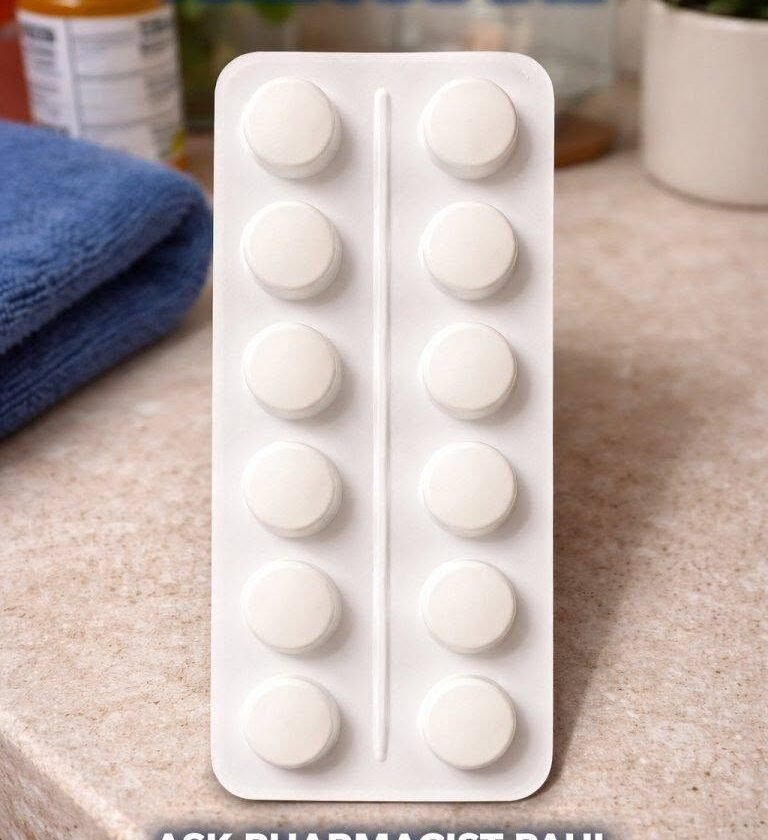
Habits That Can Undermine Amlodipine or Raise Side Effects
-
Stopping or skipping doses on your own: Quitting amlodipine abruptly or taking irregular doses lets blood pressure climb back up and increases cardiovascular risk—even if you feel fine or find mild side effects annoying.
-
Doubling up after a missed dose: Taking two doses at once to “catch up” can push blood pressure too low and trigger dizziness, lightheadedness, or fainting.
-
Heavy alcohol intake: Alcohol relaxes blood vessels and can compound amlodipine’s blood-pressure-lowering effect, increasing lightheadedness, flushing, and fall risk.
-
Standing up too quickly from sitting or lying down: Sudden posture changes can cause a brief drop in blood pressure (orthostatic lightheadedness), especially when starting amlodipine or increasing the dose.
-
Eating a high-salt diet: Excess sodium works against blood pressure control and can make fluid retention or lower-leg swelling more noticeable.
-
Using frequent NSAID pain relievers without asking: Regular use of nonsteroidal anti-inflammatory drugs like ibuprofen or naproxen can promote fluid retention and partially blunt blood-pressure control.
-
Taking unvetted herbal supplements or combining certain prescriptions: Supplements like St. John’s wort can lower medication levels, while certain cholesterol drugs (such as simvastatin above low daily limits), blood-pressure drugs, or PDE5 inhibitors can interact and raise side-effect risks.
-
Ignoring worsening swelling, dizziness, or chest symptoms: Mild ankle puffiness or warmth can happen early on, but pronounced swelling, fainting, chest tightness, or shortness of breath deserves prompt medical evaluation.