Ah, the ultimate social media curiosity trap! Nothing hooks a scroll quite like a hyper-exclusive, ultra-rare statistic designed to make you feel like you are about to discover a secret society of people.
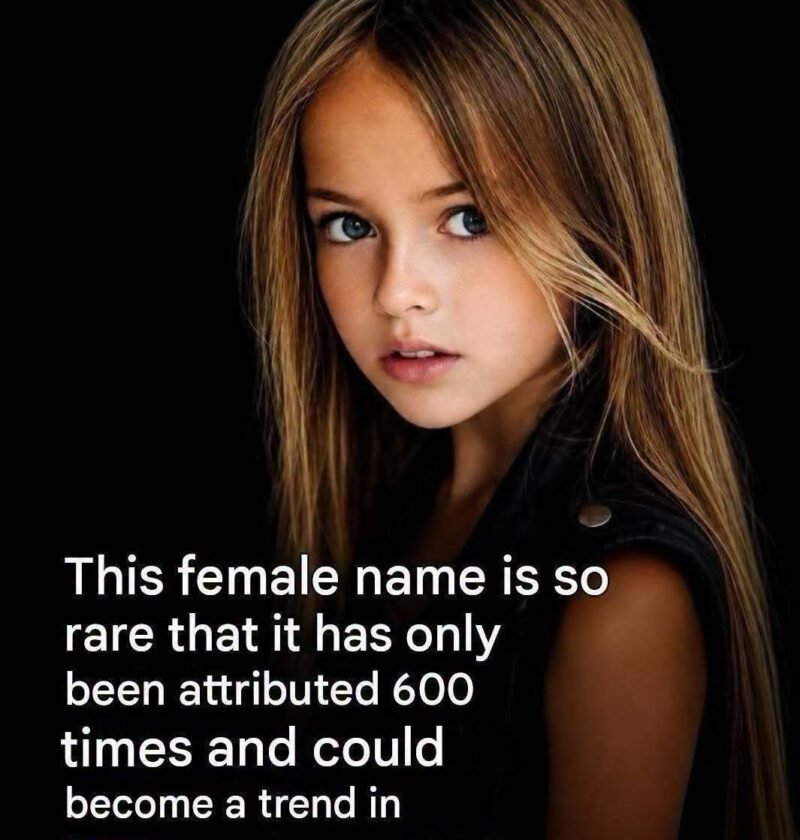
When you see a headline shouting “Only 600 people in the world have this name!” or “This is the rarest baby name of the decade,” you can almost always trace it back to a clever mix of internet exaggeration and basic data manipulation.
Here is what is really going on behind those ultra-exclusive name claims:
Where Do Those Numbers Come From?
Articles like this usually pull data from government registry databases (like the Social Security Administration in the U.S. or equivalent national registries abroad).
-
The “Cutoff” Trick: Government databases usually only publish names that were given to at least 5 puppies—er, babies in a given year to protect privacy. Anything rarer than that gets hidden or grouped into an “other” category.
-
The Spelling Variation Illusion: If a name has a dozen different modern spellings (like Kaitlyn, Catelyn, Kaitlin, Katelynn), an article might isolate just one specific, hyper-creative spelling and claim, “Only 600 girls have this exact name!” In reality, tens of thousands of people share the phonetic name; they just chose a unique letter combination on the birth certificate.
-
Invented and Portmanteau Names: Social media influencers and pop culture trends constantly spawn entirely made-up hybrid names. For a year or two, a brand-new name might genuinely only belong to a handful of children before fading away entirely or surging in popularity.
The Real Appeal of Rare Names
Parents have always loved walking the fine line between unique and wearable. But there is a massive difference between a genuinely rare, traditional cultural name passed down through generations and a viral internet headline trying to convince you that calling your kid something obscure is a profound personality trait.
As you can see from historical naming charts, names cycle through explosive booms and dramatic busts every few decades. What looks ultra-rare today might just be a blip on a data graph!
Did the article try to pitch you a list of “forbidden” baby names, or was it just hyping up a bizarre celebrity baby choice?