Baking Soda on
the Face: Benefits, Risks, and How to Use It Safely
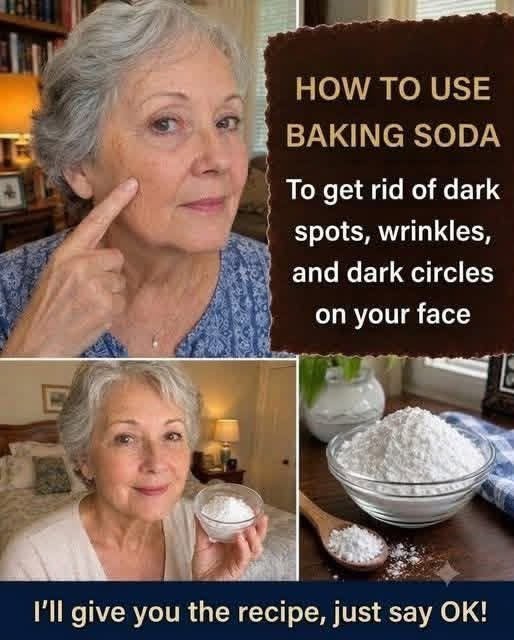
Baking soda (sodium bicarbonate) is sometimes used as a DIY facial treatment
for acne, oily skin, dark spots, or exfoliation. However, it is generally not a good choice for routine facial skincare because it
can disrupt the skin’s natural protective barrier.
Possible benefits
Baking soda can:
-
Remove surface oil temporarily: Its alkaline nature may reduce the feeling of oiliness.
-
Provide mild physical exfoliation: Fine particles can remove some dead skin cells when rubbed on the skin.
-
Reduce odor: This is more relevant to body care than facial skincare.
These effects don’t mean it is an effective treatment for acne, pigmentation, or other skin conditions. There is limited good-quality evidence supporting baking soda as a facial treatment.
Risks of putting baking soda on your face
The main concern is its high alkalinity. Healthy facial skin normally has a mildly acidic surface environment, often called the acid mantle. Baking soda can raise the skin’s pH and potentially interfere with barrier function.
Possible reactions include:
-
Dryness and tightness
-
Burning or stinging
-
Redness and irritation
-
Peeling
-
Increased sensitivity
-
Worsening of eczema or already-irritated skin
-
Breakouts or inflammation after barrier disruption
Using it as a scrub can add mechanical irritation, particularly if you have acne, sensitive skin, or active inflammation.
If you still want to try it
For facial skin, the safest approach is not to use baking soda as a regular treatment. If you decide to experiment despite the risks:
-
Patch-test first on a small area rather than your entire face.
-
Don’t use it on broken, sunburned, peeling, or inflamed skin.
-
Avoid the eye and lip areas.
-
Don’t scrub vigorously.
-
Rinse thoroughly with lukewarm water.
-
Apply a bland, fragrance-free moisturizer afterward.
-
Stop immediately if you experience burning, significant redness, swelling, or persistent irritation.
-
Don’t combine it with other potentially irritating treatments such as strong acids, retinoids, or benzoyl peroxide during the same routine.
Better alternatives
If your goal is acne, ingredients such as salicylic acid or benzoyl peroxide have substantially more established evidence.
For dry or sensitive skin, a gentle cleanser and fragrance-free moisturizer are preferable.
For dark spots or uneven pigmentation, sunscreen is particularly important, with ingredients such as azelaic acid or certain retinoids potentially being useful depending on the cause and your skin type.
Bottom line
Baking soda isn’t necessary for healthy skin, and the potential irritation generally outweighs its limited cosmetic benefits. A skincare product formulated specifically for facial skin is a safer choice than applying household baking soda directly to your face.