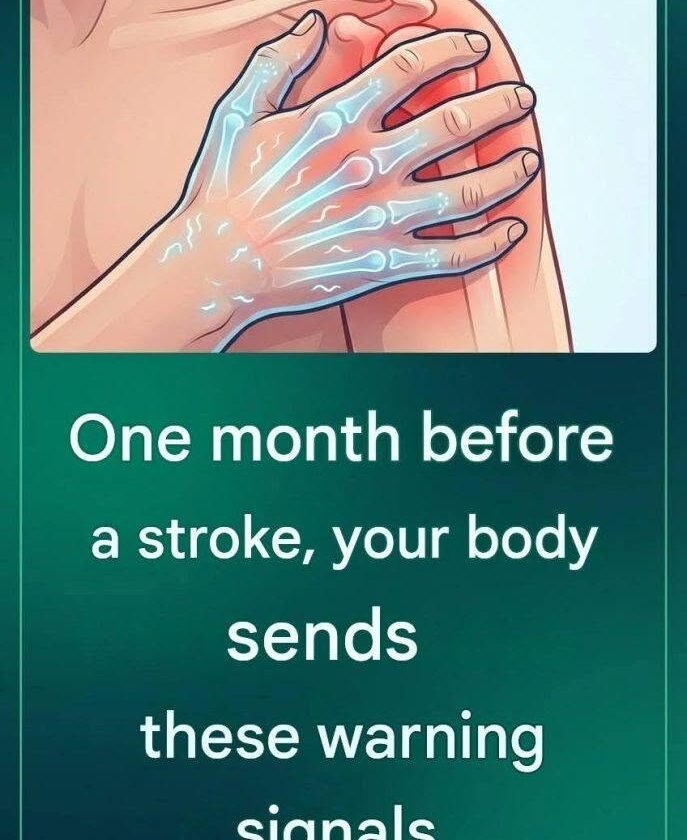
While a major stroke typically strikes suddenly, the weeks leading up to it can sometimes feature subtle or short-lived neurological red flags. Most notably, many individuals experience a Transient Ischemic Attack (TIA)—frequently called a “mini-stroke”—weeks or even a month in advance.
Recognizing these early warning signs can be life-saving. Medical professionals use the BE FAST framework to identify both mini-strokes and major strokes:
The Key Warning Signs to Watch For
-
B – Balance: Sudden dizziness, loss of coordination, or trouble walking.
-
E – Eyes: Sudden blurred vision, double vision, or temporary loss of sight in one eye (sometimes described as a “curtain” coming down over your vision).
-
F – Face Drooping: One side of the face feels numb or sags when trying to smile.
-
A – Arm Weakness: Sudden weakness, numbness, or clumsiness in one arm or leg, causing it to drift downward if both arms are raised.
-
S – Speech Difficulty: Slurred speech, trouble finding words, or an inability to understand speech.
-
T – Time to Act: Even if these symptoms vanish completely within a few minutes (which is characteristic of a TIA), it is a medical emergency.
Other Subtle Early Indicators
In the days or weeks leading up to a stroke, some people also report:
-
Persistent, unusual headaches that are sudden, severe, and unlike any headache experienced before.
-
Unexplained mental fatigue, confusion, or short-term memory lapses that make routine tasks feel unusually difficult.
-
Sudden mood or behavioral shifts, such as uncharacteristic irritability or anxiety.
Why You Should Never Ignore a Mini-Stroke
A TIA occurs when blood flow to a part of the brain is temporarily blocked and then restores itself. Because the symptoms disappear on their own, people often write them off as fatigue, pinched nerves, or stress. However, a TIA is a critical warning sign: up to a third of people who experience a mini-stroke go on to have a major stroke, often within the following days or months.
If you or someone else experiences sudden neurological symptoms—even if they quickly go away—seek emergency medical attention or call emergency services immediately.