While media and movies often portray heart attacks as sudden, dramatic events, the body frequently sends subtle warning signals days or even weeks—sometimes up to a month—in advance. These early alerts usually happen because plaque buildup in the coronary arteries begins to restrict blood flow, making the heart work harder.
Recognizing these precursors can be lifesaving. Six key warning signs that can appear in the weeks leading up to a heart attack include:
1. Unusual and Overwhelming Fatigue
-
What it feels like: A deep, debilitating exhaustion that doesn’t go away with a good night’s sleep. You might feel entirely wiped out after performing simple daily tasks like making the bed, carrying groceries, or walking up a single flight of stairs.
-
Why it happens: When the heart’s pumping efficiency drops, the body redirects blood away from less vital areas toward the core, leaving you feeling drained and heavy-limbed. (This is a particularly common sign reported by women).
2. Mild Chest Discomfort or Pressure
-
What it feels like: Unlike the intense, crushing pain of an active heart attack, early chest discomfort is often subtle. It may present as mild pressure, a squeezing sensation, fullness, tightness, or a burning feeling. It typically comes and goes, lasting for a few minutes before disappearing, only to return days later.
-
Why it happens: This “waxing and waning” discomfort occurs when plaque partially narrows an artery, causing temporary reductions in blood flow to the heart muscle.
3. Unexplained Shortness of Breath
-
What it feels like: Finding yourself struggling to catch your breath during routine activities that used to cause no trouble, or feeling breathless even while resting or lying flat.
-
Why it happens: Because the heart isn’t pumping effectively, blood and oxygen flow sluggishly, and fluid can begin to back up slightly into the lungs, making respiration feel labored.
4. Dizziness and Lightheadedness
-
What it feels like: Sudden spells of lightheadedness, wooziness, or a brief feeling that you might faint, especially when standing up or changing positions.
-
Why it happens: Reduced cardiac output can lead to a temporary drop in blood pressure, meaning your brain isn’t receiving its optimal supply of oxygenated blood.
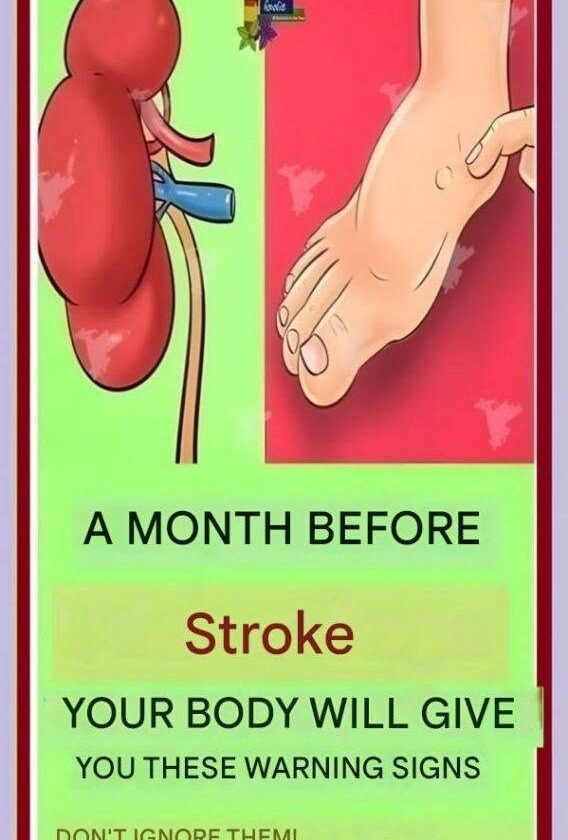
5. Swelling in the Legs, Ankles, or Feet (Edema)
-
What it feels like: Noticeable puffiness or swelling in your lower extremities, particularly by the end of the day or after long periods of standing.
-
Why it happens: When the heart struggles to pump blood forward efficiently, fluid can back up in the circulatory system, leaking into the surrounding tissues due to gravity.
6. Irregular Heartbeats or Palpitations
-
What it feels like: A sensation that your heart is racing, pounding, fluttering, or skipping beats for no apparent reason.
-
Why it happens: Electrical instability in the heart muscle can occur when it is starved of adequate blood supply and oxygen, leading to temporary rhythm irregularities.
Important Note: These symptoms can easily be mistaken for stress, aging, lack of sleep, or minor digestive issues. However, if you experience persistent, recurring patterns of these signs—especially if you have risk factors like high blood pressure, high cholesterol, diabetes, or a family history of heart disease—it is critical to consult a healthcare professional immediately.If you or someone else is experiencing severe, sustained chest pain, sudden breathlessness, or pressure lasting more than a few minutes, seek emergency medical assistance right away.