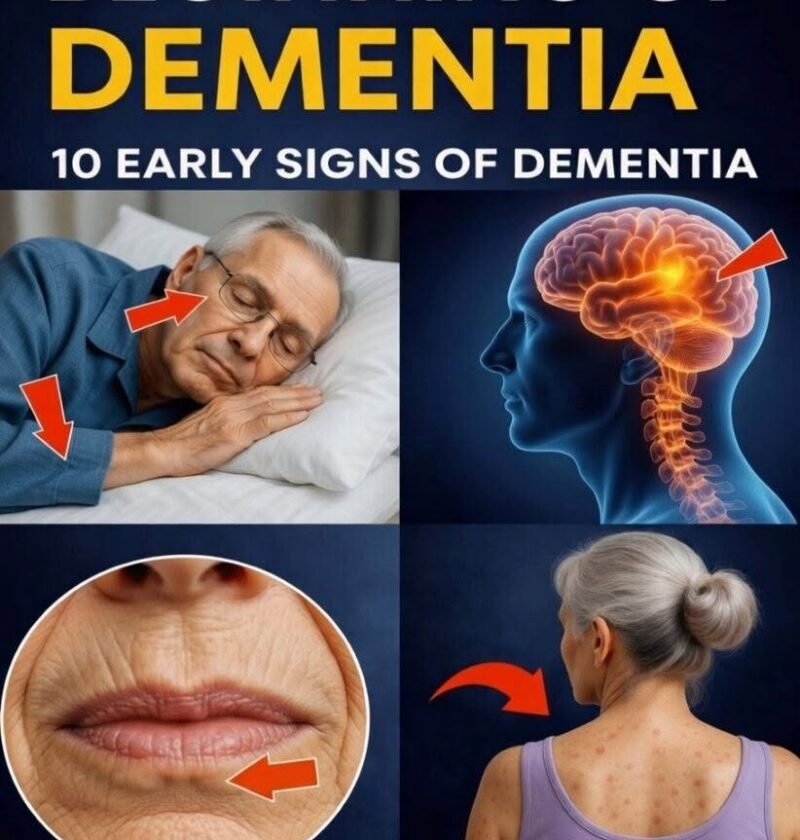
10 Early Signs of Dementia
Dementia isn’t a normal part of aging. The important clue is a persistent decline that begins interfering with everyday life, rather than an occasional memory lapse.
-
Frequently forgetting recent information — conversations, appointments, or events.
-
Repeating questions or stories without realizing it.
-
Difficulty planning or solving problems — for example, struggling with familiar bills or recipes.
-
Trouble completing familiar tasks — activities that were previously routine become difficult.
-
Getting confused about time or place — losing track of dates or becoming lost somewhere familiar.
-
Difficulty finding words or following conversations.
-
Misplacing things in unusual places and being unable to retrace your steps.
-
New problems with judgment — particularly concerning money, safety, or everyday decisions.
-
Withdrawing from hobbies or social activities because they’re becoming difficult.
-
Noticeable changes in personality, mood, or behavior that persist.
These signs don’t automatically mean dementia. Depression, poor sleep, medication effects, hearing or vision problems, thyroid disorders, vitamin deficiencies, and other medical conditions can cause similar symptoms and may be treatable.
Simple habits that support brain health
-
Exercise regularly: walking, cycling, swimming, or other activities you can safely maintain.
-
Keep blood pressure, blood sugar, and cholesterol under control.
-
Don’t smoke, and keep alcohol consumption low.
-
Eat a varied, nutritious diet, emphasizing vegetables, fruit, whole grains, legumes, nuts, and fish while limiting highly processed foods.
-
Get adequate sleep and address persistent insomnia or possible sleep apnea.
-
Stay socially and mentally active: conversation, learning, music, reading, games, and hobbies can all provide useful cognitive stimulation.
-
Look after hearing and vision, using appropriate correction when needed.
One particularly important distinction: sudden confusion over hours or days is not typical of dementia. It can be delirium caused by an infection, medication, dehydration, or another acute medical problem and should be assessed promptly.