That headline is a masterclass in modern gardening clickbait—combining a dramatic warning (“Never step on this!”) with a sensational reward (“it’s a gold mine!”) to make you click.
In reality, the “weed” in question is almost always a common, resilient wild plant that gardeners either love for its soil-enriching properties or battle constantly as a persistent invader.
Here is the truth behind those “gold mine” weed headlines:
What These “Gold Mine” Weeds Actually Are
Depending on the specific viral post, the plant is usually one of a few very familiar garden staples:
-
Dandelions: Often praised as a permaculture “gold mine” because their deep taproots pull up vital nutrients (like calcium and iron) from deep in the soil, and their yellow flowers are early pollinators for bees. To a traditional lawn enthusiast, however, they are a stubborn weed.
-
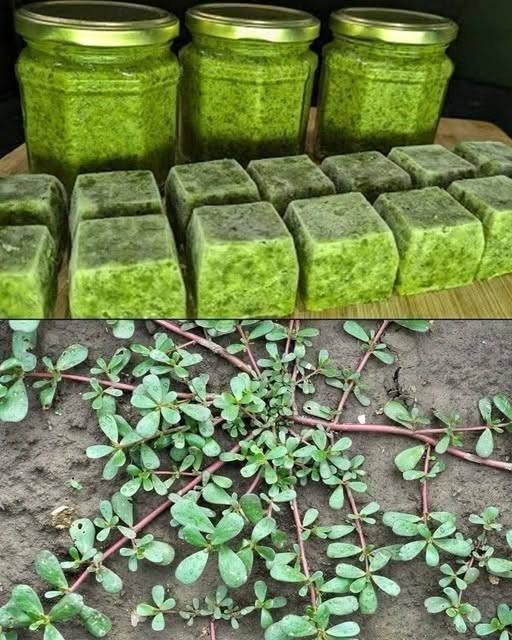
Purslane (Portulaca oleracea): Frequently hyped as a nutritional powerhouse because it is packed with omega-3 fatty acids and vitamins, making it a valuable edible wild green—even though it often pops up uninvited in flower beds.
-
Stinging Nettles: Praised for their rich mineral content and usefulness in natural fertilizers or teas, but definitely a plant you want to avoid stepping on barefoot because of their stinging hairs!
Why They Are Called a “Gold Mine”
Permaculturists and organic gardeners often look at these persistent plants differently than standard landscapers. They earn the “gold mine” label for a few ecological reasons:
-
Dynamic Accumulators: Many weeds have long taproots that mine nutrients from deep underground and store them in their leaves. When the plant dies or is used as garden mulch/compost, those nutrients are returned to the topsoil.
-
Soil Indicators: The specific weeds that grow in your yard can actually tell you a lot about your soil composition (for example, certain weeds thrive in compacted, acidic, or nutrient-deficient soil).
-
Beneficial Insect Support: Many of these unwanted plants provide some of the earliest nectar sources for bees and beneficial bugs before cultivated garden flowers bloom.
The Bottom Line
You don’t need to panic or cordon off your yard like a hazardous waste site. These plants are called “weeds” simply because they are growing where you didn’t plant them. Whether you choose to pull them, compost them, or eat them (if you can positively identify them and know the soil is free of chemicals), they are just a normal part of a living ecosystem.
Were you seeing this headline attached to dandelions, purslane, or another mysterious garden plant?