1. Vitamins That Offer Genuine Benefit (In Specific Situations)
-
Daily Multivitamins and Memory (Modest Support): Recent large randomized trials (the COSMOS-Mind and COSMOS-Web studies) found that taking a standard daily multivitamin-mineral supplement modestly slowed age-related memory and cognitive decline in older adults—though it did not prevent strokes or cure Alzheimer’s disease.
-
Vitamin B12 and Folate (Only When Deficient): Low vitamin B12 (common in older adults due to reduced stomach acid or long-term metformin/acid-blocker use) causes memory fog, nerve tingling, and elevated homocysteine—an amino acid linked to blood vessel damage. Correcting a true B12 or folate deficiency protects nerves and lowers homocysteine, though taking mega-doses when levels are already normal has not been shown to prevent strokes in countries with fortified grains.
-
Vitamin D (For Bone Health and Proven Deficiency): Low vitamin D is associated with higher vascular risk in observational studies, but clinical trials show that high-dose vitamin D supplements do not prevent strokes or heart attacks in healthy adults. Standard maintenance doses (800–2,000 IU daily) remain valuable if blood levels are low or sun exposure is limited.
2. Supplements That Can Raise Stroke or Bleeding Risk at High Doses
-
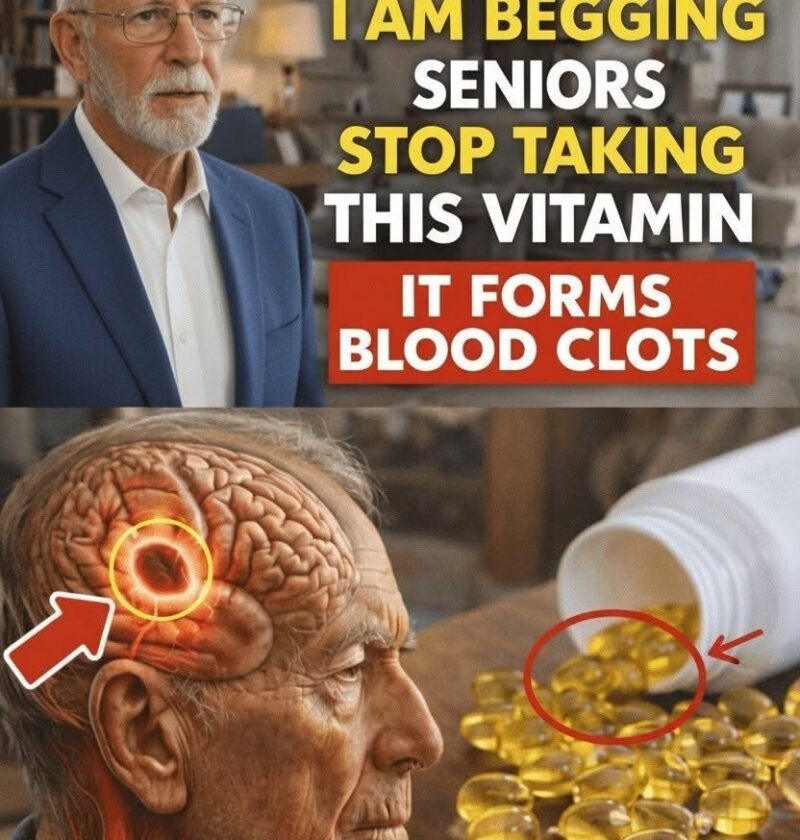
High-Dose Vitamin E (Over 400 IU/Day): Clinical trials found that high-dose vitamin E supplements do not prevent ischemic strokes and slightly increase the risk of hemorrhagic stroke (bleeding in the brain), especially alongside blood thinners.
-
High-Dose Fish Oil / Omega-3 Supplements (Over 2–4 g/Day): While eating fatty fish twice a week supports brain and heart health, high-dose purified omega-3 capsules slightly raise the risk of atrial fibrillation (an irregular heartbeat that increases stroke risk) and mild bleeding in older adults with cardiovascular risk factors.
-
Vitamin K Fluctuations (With Warfarin Only): Sudden spikes or drops in vitamin K intake (from supplements or large swings in leafy greens) interfere with warfarin dosing—making blood either too thick (clot/stroke risk) or too thin (bleeding risk). Newer anticoagulants like apixaban do not interact with vitamin K.
-
Niacin (High-Dose Vitamin B3) and Beta-Carotene: High-dose niacin raises blood sugar and bleeding/infection risks without reducing strokes when added to statins, while high-dose beta-carotene increases lung cancer risk in current or former smokers.
3. What Actually Protects Older Adults From Stroke and Cognitive Decline
-
Control Blood Pressure First: Keeping blood pressure under control (typically below 130/80 mmHg as advised by a doctor) is the single strongest way to prevent both ischemic and hemorrhagic strokes as well as vascular dementia.
-
Get Nutrients From Food Patterns (Mediterranean / MIND Diet): Leafy greens, berries, beans, nuts, whole grains, olive oil, and fish deliver vitamins alongside fiber, potassium, and polyphenols—nutrients that reduce stroke risk far better than isolated pills.
-
Test Before Supplementing: Ask a doctor to check Vitamin B12, Vitamin D, and basic blood counts/kidney function rather than guessing with high-dose single vitamins, and review every supplement with a pharmacist if taking blood pressure or blood-thinning medications.