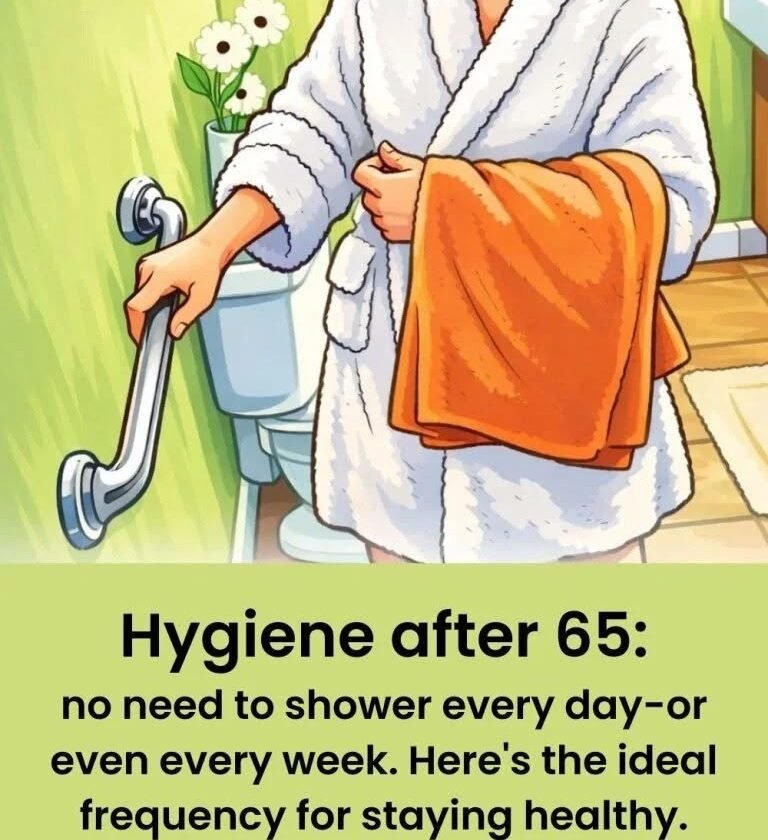
It sounds counterintuitive—after all, daily bathing is deeply ingrained as the gold standard of personal hygiene. But when it comes to older adults, dermatology and geriatric medicine actually support a surprising shift in perspective: showering every single day after age 65 can sometimes strip the skin of its natural defenses, leading to irritation, cracking, and severe dryness.
As we age, our physiology changes in ways that make our skin much more vulnerable. Understanding why daily scrubbing can backfire helps shape a much healthier, skin-friendly routine.
Why Daily Showers Can Harm Aging Skin
-
The Loss of Natural Sebum (Oil):
-
As we get older, sebaceous (oil) glands naturally slow down production. The skin’s lipid barrier—the natural mantle of oils that locks in moisture and keeps irritants out—becomes thinner and more fragile.
-
-
Hot Water Strips the Skin Barrier:
-
Long, hot showers melt away what little surface oil older skin has left. Combined with harsh, heavily scented soaps, daily washing completely strips the skin barrier, leading to a condition dermatologists call xerosis (abnormally dry, flaky skin).
-
-
The Risk of “Bath Dermatitis” and Infection:
-
When skin becomes severely dry, it develops microscopic cracks and fissures. These tiny breaks compromise the skin’s protective armor, making it much easier for bacteria and allergens to enter. This can trigger intense itching (pruritus), painful inflammatory rashes, and even secondary skin infections.
-
The Smarter Routine: How Often Should You Shower After 65?
Dermatologists and geriatricians generally recommend that older adults do not need a full-body soap-and-water shower every single day unless they have been sweating heavily or working outdoors.
Instead, a balanced, skin-safe hygiene routine focuses on “strategic washing”:
-
The “Pit and Parts” Approach: On days you skip a full shower, use a warm, damp washcloth with a gentle, fragrance-free cleanser to wash the areas that need it most (underarms, groin, and feet). This keeps you fresh without stripping moisture from your entire body.
-
Dial Down the Temperature: Keep shower water comfortably warm rather than steaming hot, and limit shower time to 5 to 10 minutes.
-
The 3-Minute Rule (Moisturize Immediately): Apply a rich, fragrance-free cream or ointment (like ceramides or plain petroleum-based lotions) while your skin is still slightly damp. This traps the moisture in your skin before it evaporates.
-
Ditch Harsh Deodorant Soaps: Switch from heavily perfumed, drying bar soaps to gentle, hydrating body washes or cleansers labeled “sensitive skin.”
Hygiene is essential for health, but protecting your skin’s natural barrier is just as critical for preventing discomfort and infection as we age.
Have you or an older loved one ever noticed skin becoming unusually itchy or dry as the seasons change?