6 Foods Often Linked With
Increased Abdominal/Visceral Fat
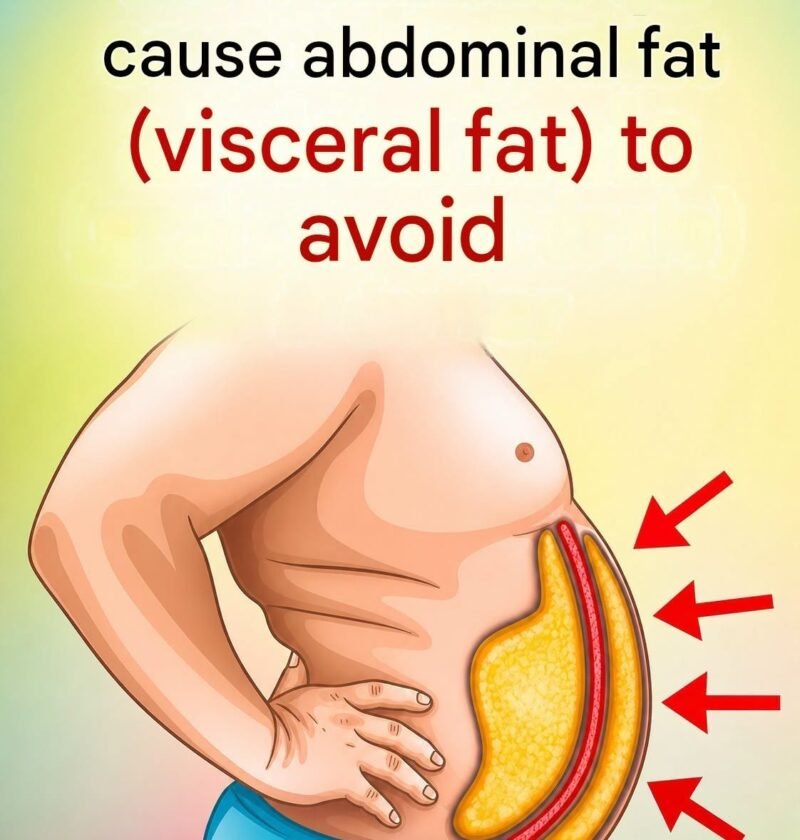
There isn’t a scientifically established list of six foods that uniquely “cause” visceral fat. Visceral fat increases primarily when sustained calorie intake exceeds energy expenditure, and genetics, sleep, hormones
, activity, and overall diet also matter.
However, some foods are particularly easy to overconsume and are associated with weight gain and greater metabolic risk:
- Sugar-sweetened drinks 🥤
Soda, sweetened juices, energy drinks, and other sugary beverages can provide a lot of calories without making you feel very full. - Refined baked goods 🍩
Doughnuts, pastries, cakes, cookies, and similar foods often combine refined carbohydrates, added sugars, and substantial amounts of fat. - Candy and other foods high in added sugar 🍬
Frequent consumption can make it easier to consume excess calories. - Highly processed snack foods 🍟
Chips, crackers, packaged snack cakes, and similar foods can be calorie-dense and easy to eat in large quantities. - Processed meats 🌭
Sausages, hot dogs, bacon, and other processed meats are worth limiting for overall health. Their relationship with visceral fat isn’t as simple as saying they directly “cause belly fat.” - Large amounts of fried/fast food 🍔
Fried foods and many fast-food meals can contain substantial calories, fats, refined carbohydrates, and sodium in relatively small portions.
What actually helps reduce visceral fat?
You don’t need to completely eliminate these foods. A more sustainable approach is to reduce their frequency and portions while emphasizing vegetables, fruit, beans, whole grains, nuts, lean proteins, and minimally processed foods.
Regular physical activity—particularly aerobic exercise combined with resistance training—can also help reduce abdominal fat. Losing even a modest amount of overall body weight can reduce visceral fat.
One important myth: doing hundreds of abdominal exercises won’t specifically burn visceral fat. You can’t reliably choose where your body loses fat first.
And if a headline says these are the “6 foods you must never eat,” that’s an exaggeration. The overall dietary pattern and long-term energy balance matter much more than any single food.