Magnesium: Health Benefits, Deficiency, Food Sources, and Risks
Magnesium is an essential mineral that your body needs for muscle and nerve function, blood sugar regulation, blood pressure, energy production, and healthy bones. Most people can get enough magnesium from a balanced diet.
What Are the Benefits of Magnesium?
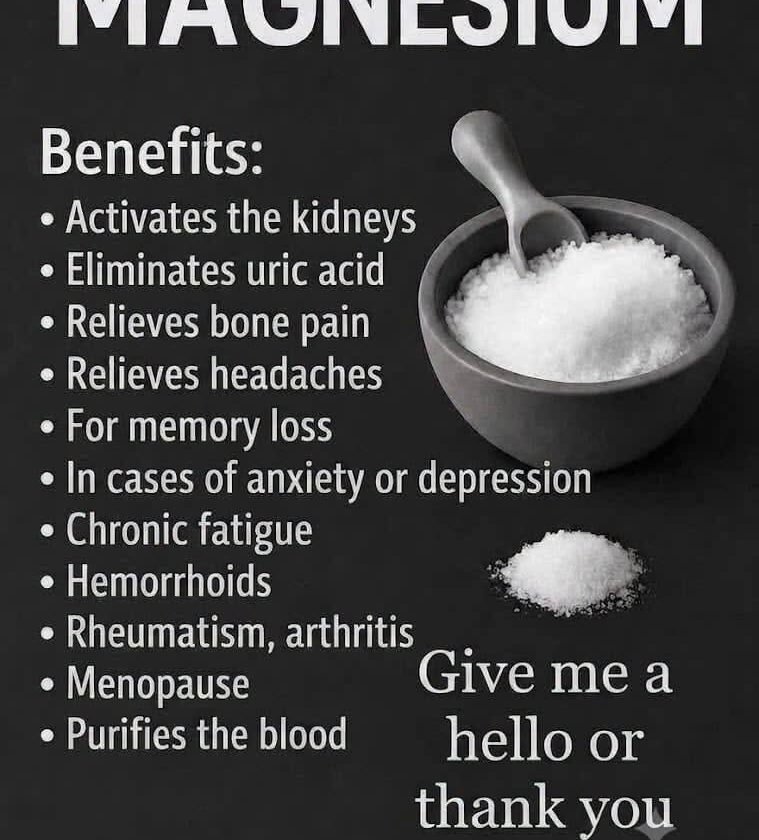
Magnesium helps the body:
- Keep muscles and nerves working normally
- Support normal heart rhythm
- Maintain healthy bones
- Regulate blood sugar and blood pressure
- Make proteins and DNA
- Produce energy
However, taking extra magnesium does not automatically provide extra health benefits if you already get enough.
Good Food Sources
You can find magnesium in many everyday foods, including:
- Pumpkin seeds
- Chia seeds
- Almonds and other nuts
- Spinach and other leafy greens
- Beans and legumes
- Whole grains
- Some fortified breakfast cereals
For example, one ounce of roasted pumpkin seeds provides about 156 mg of magnesium.
What Happens If You Don’t Get Enough?
True magnesium deficiency is uncommon in otherwise healthy people, but the risk is higher in some people with gastrointestinal diseases, type 2 diabetes, alcohol dependence, or certain medication use. Older adults may also be at greater risk.
Possible symptoms of significant deficiency include loss of appetite, nausea, fatigue, weakness, muscle cramps, tingling, and abnormal heart rhythms. Severe deficiency can be dangerous.
Can You Take Too Much?
Yes. Magnesium from food is generally safe for healthy people, but high amounts from supplements or magnesium-containing medicines can cause diarrhea, nausea, and abdominal cramping. Very high amounts can cause serious toxicity, especially in people with impaired kidney function.
For adults, the upper limit for magnesium from supplements and medications is generally 350 mg per day, unless a healthcare professional recommends otherwise. This limit does not include magnesium naturally found in food.
Bottom line: Magnesium is essential for good health, but more isn’t always better. Focus first on magnesium-rich foods, and talk with a doctor or pharmacist before taking high-dose supplements—especially if you have kidney problems or take regular medicines.