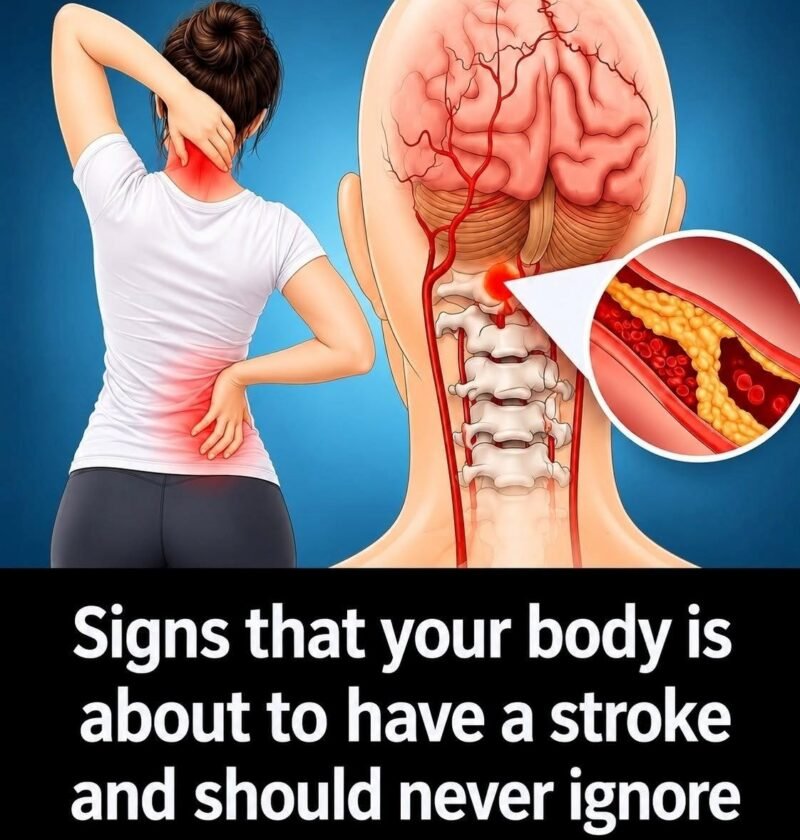
Recognizing the early warning signs of a stroke—sometimes called a “transient ischemic attack” (TIA) or a mini-stroke—can be lifesaving. While major strokes happen suddenly, the body can sometimes send warning signals hours, days, or even weeks beforehand.
The most widely recognized, crucial rule for identifying a stroke is the FAST acronym, but there are other subtle warning signs your body may reveal.
The FAST Warning Signs
If you notice any of these signs in yourself or someone else, it requires emergency medical attention:
-
F – Face Drooping: Does one side of the face droop, or is it numb? If the person smiles, is the smile uneven?
-
A – Arm Weakness: Is one arm weak or numb? If the person tries to raise both arms, does one drift downward?
-
S – Speech Difficulty: Is speech slurred? Is the person unable to speak or hard to understand? (Try asking them to repeat a simple sentence, like “The sky is blue.”)
-
T – Time to Call 911: If you observe any of these signs—even if they go away—call emergency services immediately. Note the exact time the symptoms started.
Other Early or Less Obvious Warning Signs
Before a major stroke occurs, some people experience intermittent or subtler neurological symptoms, including:
-
Sudden Vision Changes: Sudden blurring, double vision, or temporary loss of vision in one or both eyes.
-
Sudden Severe Headache: A sudden, unusually severe “thunderclap” headache with no known cause, often accompanied by dizziness or vomiting.
-
Sudden Confusion: Trouble understanding speech, disorientation, or sudden memory lapses.
-
Sudden Loss of Balance or Coordination: Unexplained dizziness, a sudden loss of balance, trouble walking, or feeling unsteady (often described as the room spinning).
-
Sudden Numbness: Sudden numbness or weakness, particularly affecting only one side of the body (an arm, leg, or side of the face).
Why Immediate Action Matters
A TIA (mini-stroke) causes temporary blockages of blood flow to the brain and often acts as a warning sign for a full-scale stroke. Acting immediately when early symptoms appear can preserve brain tissue, prevent permanent disability, and save a life.
Are you or someone around you currently experiencing any unusual symptoms like sudden weakness, slurred speech, or vision changes? If so, please seek emergency medical care right away.