Left-Side Body Pain: What It Could Mean and When to Pay Attention
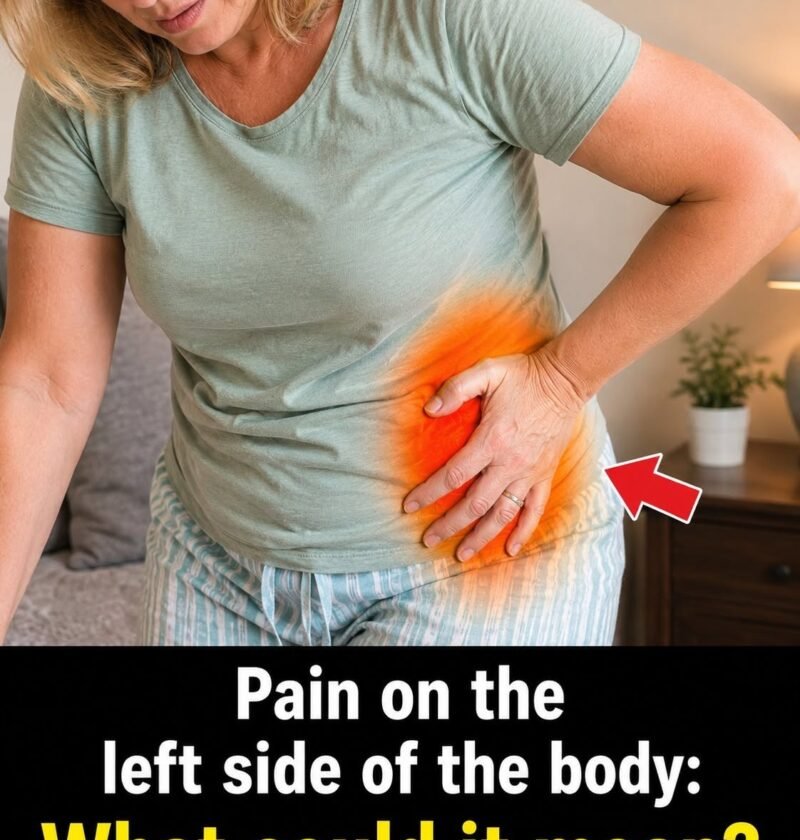
Pain on the left side of the body can have many causes—from a pulled muscle to problems involving the heart, lungs, kidneys, or digestive system. The location and accompanying symptoms are more informative than the fact that it’s on the left side.
Common possibilities
-
Left chest or shoulder: Muscle strain, rib or cartilage inflammation, acid reflux, lung problems, or heart-related conditions.
-
Left arm: Muscle or joint problems, nerve irritation, or referred pain from the heart.
-
Upper-left abdomen: Gas, gastritis or ulcers, pancreatic problems, or spleen-related conditions.
-
Left flank/back: Muscle strain, kidney stones, kidney infection, or spinal/nerve problems.
-
Lower-left abdomen: Constipation, intestinal problems, urinary conditions, and—depending on the person—gynecological conditions.
-
Left leg: Muscle injury, arthritis, nerve problems, or circulation-related problems.
🚨 When to seek emergency help
Get emergency medical care for new or severe left-sided pain, especially when accompanied by:
-
Chest pressure, squeezing, or heaviness
-
Pain spreading to the arm, shoulder, jaw, neck, or back
-
Shortness of breath
-
Cold sweating, nausea, or fainting
-
Sudden weakness or numbness on one side
-
Facial drooping or difficulty speaking
-
Sudden severe headache or loss of coordination
These symptoms can occur with heart attack or stroke and should not be watched at home.
When to make a medical appointment
Have persistent, recurrent, or unexplained pain evaluated—particularly if it is getting worse or occurs with fever, vomiting, blood in the urine or stool, unexplained weight loss, or ongoing weakness.
One important point: left-sided pain by itself doesn’t tell you what the cause is. A muscle strain and a heart problem can both produce left-sided discomfort, so the associated symptoms and circumstances matter.
If you tell me exactly where the pain is, what it feels like (sharp, burning, aching, pressure, etc.), how long you’ve had it, and what other symptoms you have, I can help you understand the more likely possibilities.