🌿 “Just One Leaf of This Plant Is Worth a Gold Mine!” — What Does It Mean?
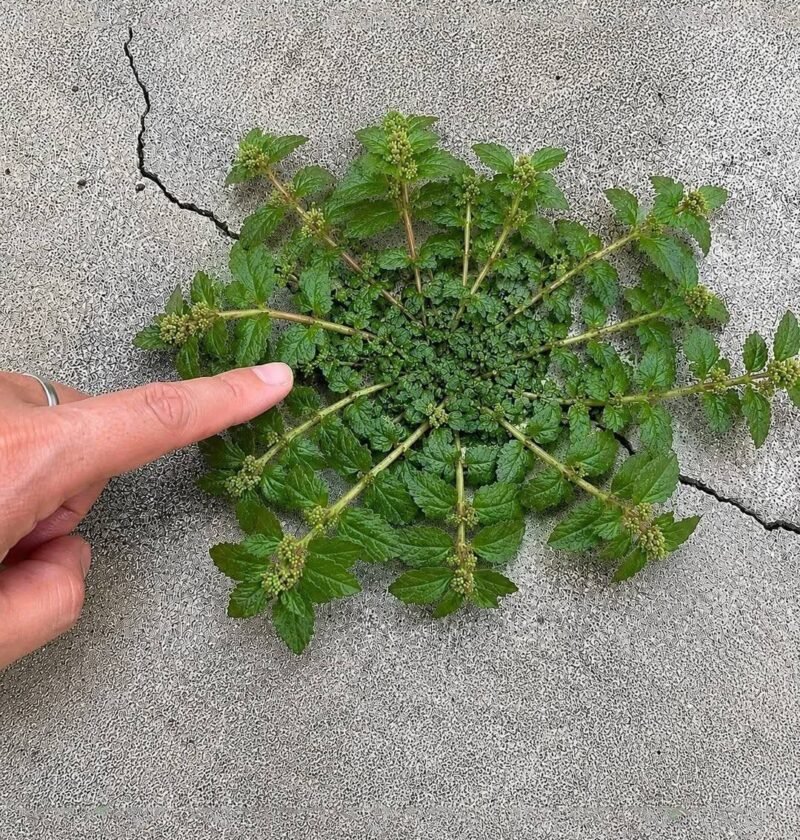
This viral headline appears to refer primarily to Euphorbia hirta, also known as asthma weed, snake weed, or hierba de Santa Lucía. Some versions of the same headline instead use Physalis, so the plant cannot be identified with certainty from the headline alone. DailyScan.net+1
🌱 If it is Euphorbia hirta
It is a small, hairy plant commonly found in tropical and subtropical areas. It produces milky latex when its stems or leaves are broken. Traditional medicine has used the plant for respiratory and digestive complaints, among other purposes. Thebustednews
Researchers have investigated compounds in Euphorbia hirta, including flavonoids, tannins, terpenoids, and phenolic compounds. However, laboratory findings and traditional use do not establish that eating a leaf treats asthma, diabetes, infections, kidney problems, or other diseases in humans. Thebustednews
⚠️ The “gold mine” claim is misleading
One leaf isn’t literally worth a fortune, and there’s no established medical reason to consume a fresh leaf simply because a social-media post says it’s powerful.
This is particularly important with Euphorbia species, because their milky latex can irritate the skin and eyes. You also shouldn’t put an unidentified plant or its sap into your eyes, mouth, or onto wounds.
🌿 Don’t confuse it with Physalis
Another version of the headline refers to Physalis (ground cherry/Cape gooseberry) and makes similar medicinal claims about its leaves. The edible ripe fruits of some Physalis species are used as food, but that doesn’t mean the leaves are safe to eat. Correct species identification matters. Organic Life Tips+1
Bottom line: “One leaf is worth a gold mine” is catchy health-content language, not an established medical fact. Don’t make tea from or eat an unidentified wild plant based on a viral claim. If you have a photo of the plant, I can help identify which plant the headline is actually referring to and explain what is—and isn’t—known about it.
Sources