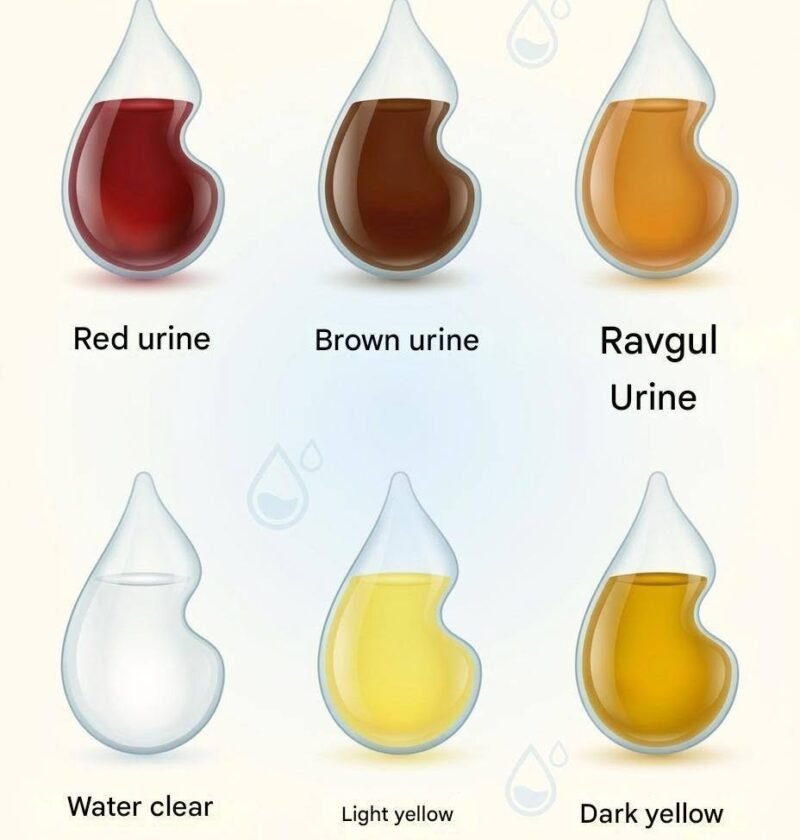
The color of your urine is a surprisingly effective window into your hydration levels, diet, medications, and overall health. Here is a guide to what different urine colors mean, ranging from completely normal to signs that you should consult a doctor.
1. The Hydration Spectrum
Most of the time, variations in urine color come down to how hydrated you are. Your body produces a pigment called urochrome (or urobilin), which dilutes or concentrates depending on your fluid intake.
-
Transparent / Clear: You are likely drinking too much water in a short period. While staying hydrated is great, overhydration can sometimes lower electrolyte levels dangerously. Try scaling back slightly on fluids.
-
Pale Straw to Transparent Yellow: This is the ideal range. It means you are properly hydrated and your body is in a healthy balance.
-
Dark Yellow / Amber: You are mildly dehydrated. Your body is holding onto water to prevent further fluid loss, causing the urochrome pigment to concentrate. Time to drink a glass of water!
-
Honey or Brown Ale: You are significantly dehydrated. This requires immediate rehydration. If your urine remains this dark despite drinking plenty of water, it can sometimes indicate liver issues (such as a buildup of bilirubin) and warrants a check-up.
2. Unusual Colors (Diet and Medications)
Sometimes, foods, vitamins, or medications can dramatically change the color of your urine without posing any health risk.
-
Pink or Red:
-
Harmless causes: Eating beets, blackberries, or rhubarb recently.
-
Medical causes: Blood in the urine (hematuria), which can point to a urinary tract infection (UTI), kidney stones, an enlarged prostate, or more serious conditions. Always consult a doctor if you see red and didn’t eat beets.
-
-
Orange:
-
Causes: Dehydration, certain medications (like the antibiotic rifampin or the anti-inflammatory sulfasalazine), or high doses of vitamin B-complex/carrots. It can also occasionally signal bile duct or liver issues.
-
-
Blue or Green:
-
Causes: Eating foods with strong blue or green food dyes, certain medications (like propofol or amitriptyline), or a rare genetic condition called familial benign hypercalcemia (blue diaper syndrome). Rarely, a specific type of bacterial UTI can turn urine a greenish hue.
-
-
Dark Brown or Cola-Colored:
-
Causes: Severe dehydration, certain medications, or severe muscle injury (rhabdomyolysis) where muscle breakdown products leak into the urine. It can also indicate liver disease.
-
-
Cloudy or Milky:
-
Causes: UTIs, kidney stones, or high concentrations of minerals/phosphates. If cloudiness persists for more than a day or is accompanied by burning or foul odor, see a healthcare provider.
-
When to See a Doctor
While dietary changes and hydration fix most color variations, you should schedule an appointment with a healthcare professional if you experience:
-
Visible blood in your urine (pink, red, or cola-colored) that isn’t tied to food.
-
Urine that is dark brown accompanied by pale stools and yellowing of the skin/eyes (jaundice).
-
Persistent dark urine despite drinking plenty of water.
-
Urine with a foul or unusually sweet/fruity odor.
-
Associated symptoms like pain, burning during urination, fever, back/side pain, or frequent urges to go.
Are you currently noticing any unusual symptoms or changes in your urine color that you’d like to talk about?