The Beetroot Upgrade: What Happens to Your Body When You Eat Beets, According to Doctors
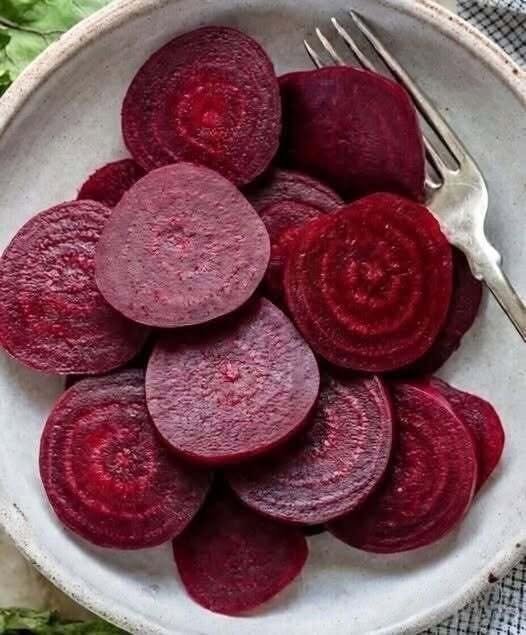
Beetroot may look humble, but it’s packed with nutrients and naturally occurring compounds that can support overall health.
❤️ 1. It May Support Healthy Blood Pressure
Beets are rich in dietary nitrates, which the body can convert into nitric oxide. Nitric oxide helps blood vessels relax and widen, which may modestly lower blood pressure in some people.
That doesn’t mean beets can replace prescribed blood-pressure treatment.
🏃 2. It May Support Exercise Performance
The nitrates in beetroot may improve the efficiency of oxygen use during certain types of exercise. This is one reason beetroot juice is sometimes studied and used by athletes.
🌱 3. It Provides Dietary Fiber
Whole beets contain fiber, which supports normal digestion and helps contribute to a healthy gut.
🛡️ 4. It Contains Useful Plant Compounds
Beets contain betalains and other plant compounds with antioxidant and anti-inflammatory properties. Eating a variety of colorful vegetables is a better strategy than relying on one “superfood.”
🩸 5. It Contains Folate and Other Nutrients
Beets provide folate, potassium, manganese, and other nutrients that contribute to normal body functions.
🚽 Don’t Be Alarmed by Red Urine or Stool
After eating beets, some people notice their urine or stool turning pink or red. This is called beeturia and can be completely harmless.
However, if red urine occurs when you haven’t eaten beets—or you aren’t sure whether the color is from food—talk to a healthcare professional.
⚠️ A Note for People Prone to Kidney Stones
Beets are relatively high in oxalates. People who have been advised to follow a low-oxalate diet, particularly those with certain types of kidney stones, should discuss appropriate portions with their healthcare professional or dietitian