😴 If You Drool in Your Sleep, What Does It Mean?
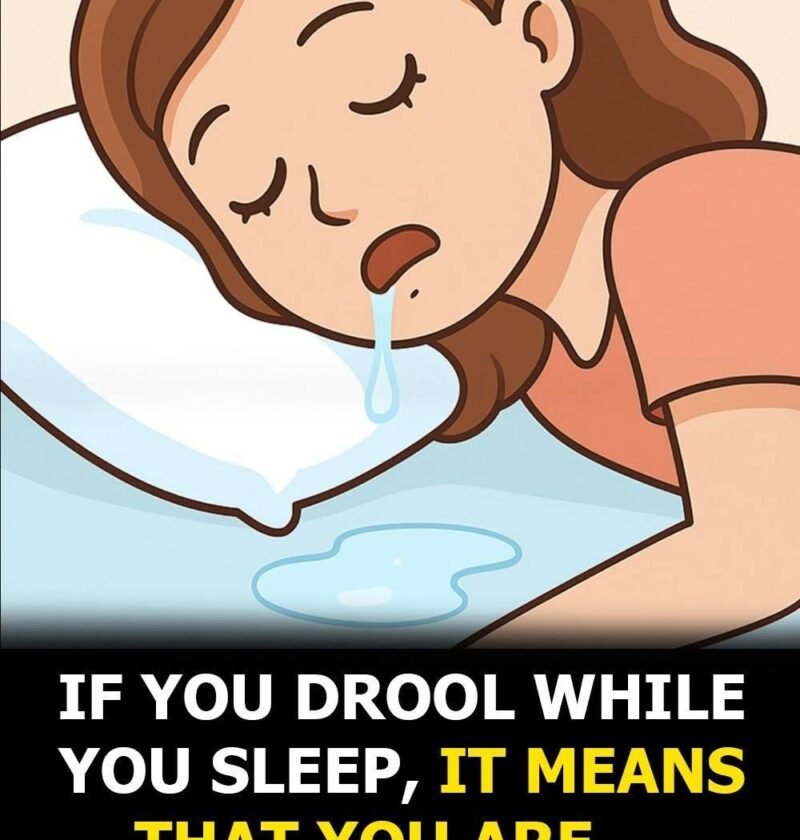
Drooling while asleep is usually not dangerous. It happens because saliva continues to be produced while you’re sleeping, while swallowing decreases and your mouth may fall open. Sleeping on your side or stomach can make saliva more likely to escape.
Common reasons you may drool at night
- Sleeping with your mouth open, especially on your side
- Nasal congestion from allergies, a cold, or sinus problems
- Mouth breathing
- Acid reflux
- Certain medications that increase saliva production
- Less commonly, conditions that affect swallowing or muscle control
When should you pay attention?
Occasional drooling is generally nothing to worry about. But new or excessive drooling, particularly when accompanied by difficulty swallowing, choking, facial weakness, speech changes, or other neurological symptoms, deserves medical evaluation.
If drooling suddenly appears along with facial drooping, arm weakness, confusion, or difficulty speaking, call emergency services immediately because these can be stroke symptoms.
Persistent nighttime drooling can also irritate the skin around the mouth, so gently washing and moisturizing the area can help.
Bottom line: Waking up with a wet pillow doesn’t mean your body is being “poisoned” or that you’re developing a serious disease. It’s usually related to sleep position, mouth breathing, or nasal blockage. If it’s persistent, excessive, or accompanied by swallowing or neurological problems, find out what’s causing it rather than relying on viral “cures.”