12 Things That Can Become More Noticeable With Age — and How to Handle Them
The word “nasty” is unnecessarily harsh. Aging naturally brings changes in skin, teeth, digestion, hearing, mobility, and hygiene, and none of these make a person less worthy of respect.
Here are 12 things that may become more noticeable and deserve practical attention:
-
Body odor changes — Skin oils and sweat composition can change with age. Regular washing, clean clothing, and appropriate deodorant can help.
-
Bad breath — Dry mouth, gum disease, dentures, or certain medications can contribute. Persistent halitosis deserves a dental check.
-
More noticeable body hair — Hair patterns can change with hormones and aging. Grooming is a personal choice.
-
Dry or flaky skin — Moisturizer and gentle cleansers can help; persistent itching should be evaluated.
-
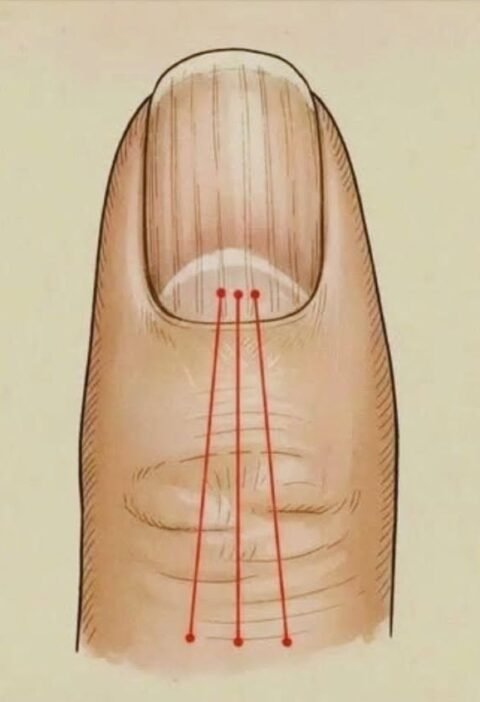
Nail changes — Nails may become thicker, brittle, or harder to trim. Fungal infections are also common and treatable.
-
Gas or constipation — Changes in activity, diet, medications, and bowel function can contribute.
-
Urinary leakage — Incontinence is common but isn’t something you simply have to accept as part of aging; treatments are available.
-
Hearing difficulties — Asking people to repeat themselves or turning up the television may signal hearing loss. Hearing evaluation can help.
-
Dental or denture problems — Poorly fitting dentures, gum disease, and missing teeth can affect eating and speech.
-
Drooling or swallowing changes — These can occur with some neurological or muscular conditions and should be evaluated if new or worsening.
-
Changes in posture or walking — Reduced strength, joint problems, vision changes, or neurological conditions can contribute.
-
Changes in memory or behavior — Occasional forgetfulness is common, but progressive changes that interfere with daily life deserve medical assessment.
The important distinction
Aging isn’t a reason to be embarrassed about bodily changes. Many problems that become more common with age are treatable or manageable.
Sudden changes—such as new confusion, loss of bladder control, weakness, difficulty speaking, or trouble walking—shouldn’t simply be attributed to getting older and may require prompt medical attention.