Home Teeth Whitening: Get Whiter Teeth in Just 2 Minutes?
A brighter smile is appealing, but the promise of dramatically whiter teeth in just two minutes at home is usually too good to be true.
Some products can make teeth look cleaner or brighter very quickly by removing surface stains, but genuine bleaching generally takes longer. The American Dental Association notes that peroxide-based whitening products can lighten teeth, while whitening toothpastes mainly work by removing surface stains.
What can you realistically do in two minutes?
1. Brush properly
A two-minute brushing session with a fluoride toothpaste can remove plaque and some surface staining from coffee, tea, tobacco, and other foods and drinks.
A whitening toothpaste may help with these extrinsic stains, but it won’t dramatically change the natural underlying color of your teeth.
2. Don’t use lemon or vinegar
Acidic DIY recipes are frequently promoted online as natural whitening treatments. They aren’t a good shortcut.
Repeated exposure to acidic substances can damage tooth enamel, and the ADA warns that DIY whitening approaches can be ineffective or potentially harmful.
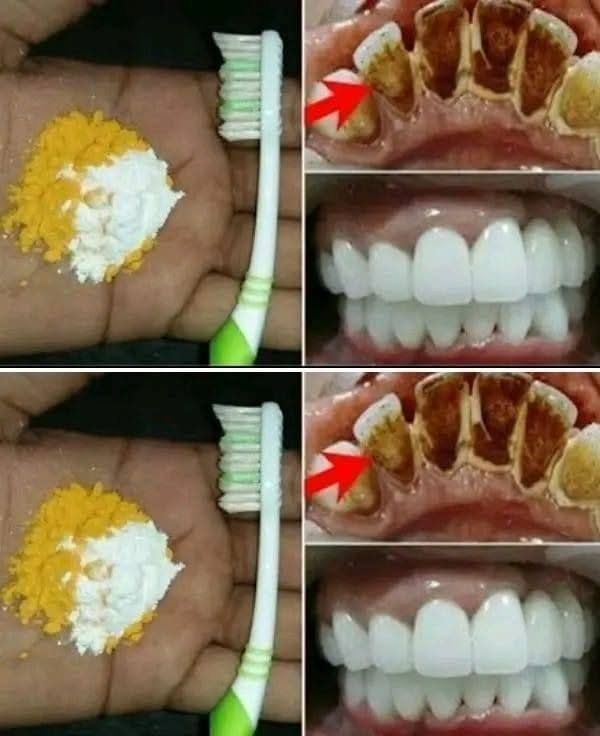
3. Be careful with baking soda
Baking soda appears in many homemade whitening recipes. Although some toothpastes use carefully formulated abrasives to remove surface stains, that doesn’t mean repeatedly scrubbing your teeth with household baking soda will safely bleach them.
Aggressive DIY methods can wear away enamel rather than genuinely whitening the tooth.
What actually whitens teeth?
True bleaching commonly uses hydrogen peroxide or carbamide peroxide. These ingredients can change the color of compounds within the tooth rather than merely polishing away surface stains.
At-home whitening strips and dentist-provided trays can work, but they generally require repeated applications rather than a single two-minute treatment. Dentist-supervised home treatments may take days or weeks, depending on the product and concentration.
What about whitening strips?
Whitening strips can be an effective at-home option when used exactly as directed. However, results aren’t instantaneous.
Temporary tooth sensitivity and gum irritation are among the most common side effects of whitening treatments. Higher concentrations can increase the likelihood of these problems.
One important thing people forget
Whitening only changes the color of natural teeth. Crowns, dentures, implants, and many other dental restorations generally won’t whiten in the same way. This can create an uneven appearance if existing restorations are significantly different in color from the natural teeth.
It’s also wise to have unhealthy teeth or gums addressed before beginning a whitening treatment. The NHS recommends getting professional advice and notes that dentist-provided whitening is the safest approach.