⚠️ “8 Pills You Shouldn’t Take Because They Damage Your Kidneys” — The Real Story
This headline is too absolute. Several medicines can affect kidney function, but that doesn’t mean you should never take them. In many cases, they’re safe and beneficial when appropriately prescribed and monitored.
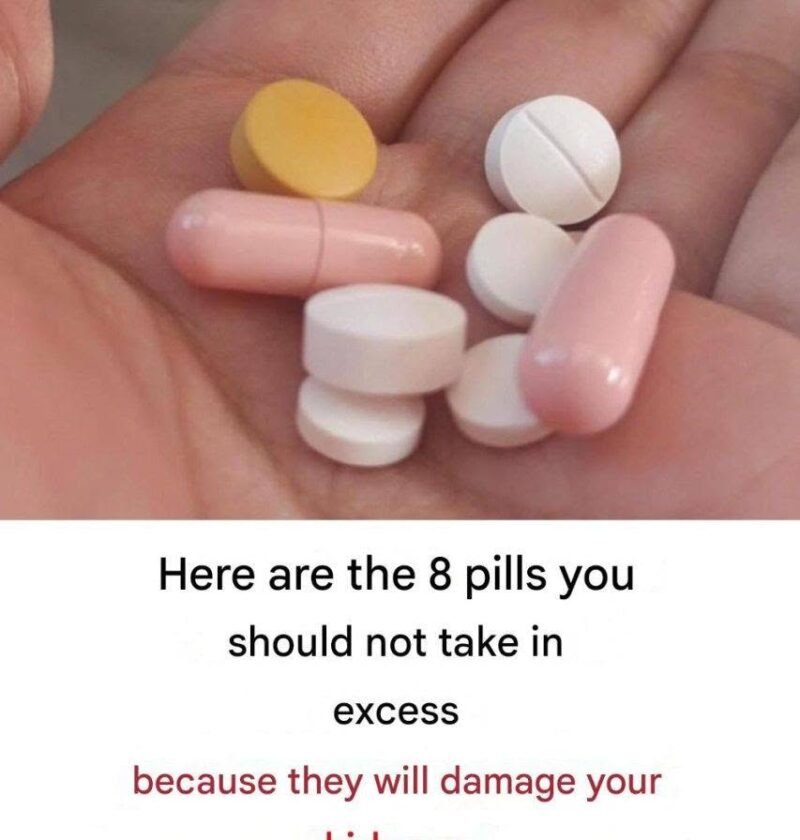
8 medication groups that can require kidney caution
- NSAID painkillers — ibuprofen, naproxen and diclofenac can reduce blood flow to the kidneys and cause acute kidney injury, particularly with high doses, prolonged use, dehydration or existing kidney disease. (National Kidney Foundation)
- Certain antibiotics — some antibiotics can directly injure the kidneys, while others mainly accumulate when kidney function is reduced and therefore require dose adjustment. (National Kidney Foundation)
- Certain antivirals and antifungals — some can be nephrotoxic or require dose adjustment when kidney function is impaired. (National Kidney Foundation)
- Proton-pump inhibitors (PPIs) — medicines such as omeprazole have been associated with certain kidney problems, although this does not mean everyone taking them will develop kidney disease.
- Lithium — long-term treatment can affect kidney function and requires medical monitoring.
- Some transplant medicines (calcineurin inhibitors) — drugs such as tacrolimus and cyclosporine can affect the kidneys, but they’re often essential for preventing organ rejection.
- Diuretics (“water pills”) — medicines such as furosemide can affect kidney function, particularly if dehydration or other factors reduce blood flow to the kidneys.
- ACE inhibitors and ARBs — drugs such as lisinopril and losartan can cause a temporary reduction in kidney filtration when started or during certain illnesses. Importantly, these medicines often protect the kidneys over the long term, particularly in people with hypertension or protein in the urine. (National Kidney Foundation)
🚨 The dangerous combination to know
One particularly important combination is an ACE inhibitor/ARB + a diuretic + an NSAID, especially during dehydration. This combination can substantially increase the risk of acute kidney injury. (National Kidney Foundation)
Don’t stop your medication because of this list
Kidney problems can be silent, so people taking medicines that affect kidney function may need periodic creatinine/eGFR and electrolyte testing.
Bottom line: There isn’t a universal list of “8 pills you should never take.” The risk depends on your kidney function, dose, duration, hydration, age and other medications. Never stop a prescribed medicine without discussing it with your doctor or pharmacist.
If you give me the names of your medications, I can tell you which ones require particular kidney precautions.