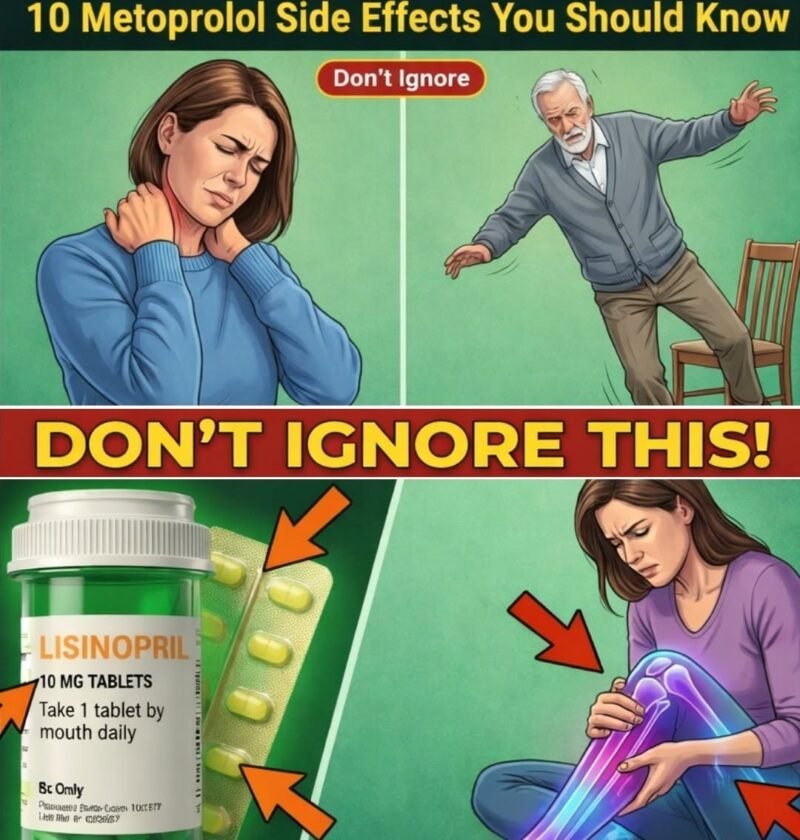
When discussing beta-blockers like Metoprolol with patients, doctors usually focus on the primary cardiac benefits—slowing the heart rate, reducing the heart’s workload, and lowering blood pressure. However, because beta-receptors are located throughout the entire body (not just the heart), blocking them can trigger a wide array of secondary or systemic effects.
While many patients are warned about basic tiredness or dizziness, several other side effects are frequently overlooked in standard clinical conversations.
10 Often-Overlooked Side Effects of Metoprolol
1. Vivid Dreams and Nightmares
-
Why it happens: Metoprolol is a lipophilic (fat-soluble) beta-blocker, which means it can easily cross the blood-brain barrier. By altering chemical signaling in the central nervous system during REM sleep, it frequently triggers unusually colorful, vivid, or unsettling dreams.
2. Cold Extremities (Raynaud-like Symptoms)
-
Why it happens: By blocking receptors that maintain vascular tone, beta-blockers can constrict blood vessels in your hands and feet, redirecting blood flow toward vital core organs. This leaves many patients dealing with persistently icy fingers and toes, even in warm environments.
3. Metabolic Slowing and Gradual Weight Gain
-
Why it happens: Because Metoprolol slows your heart rate and reduces the force of contraction, it also lowers your basal metabolic rate (the baseline number of calories your body burns at rest). Combined with exercise-induced fatigue, this can lead to steady, frustrating weight gain over time.
4. Sexual Dysfunction (Reduced Libido or ED)
-
Why it happens: The combination of altered blood flow dynamics, lowered cardiovascular output, and nervous system suppression can interfere with the physiological arousal process, dampening sex drive or making it difficult to achieve or maintain erections.
5. Mild Respiratory Tightness (Wheezing)
-
Why it happens: Even cardioselective beta-blockers like Metoprolol (which primarily target the heart) can occasionally cross-react with beta-2 receptors in the lungs at higher doses, causing slight airway narrowing. This can feel like mild breathlessness or wheezing, particularly for individuals with underlying respiratory sensitivities.
6. Masking Hypoglycemia (Low Blood Sugar Symptoms)
-
Why it happens: If you manage diabetes with insulin or oral medications, your body relies on a surge of adrenaline to produce warning signs when your blood sugar drops—such as a racing heart, tremors, and heavy sweating. Metoprolol mutes adrenaline, effectively hiding those early alarms and leaving only subtle confusion or dizziness.
7. Emotional Flattening or Subtle Mood Shifts
-
Why it happens: Because the medication acts on the central nervous system, some patients report feeling emotionally detached, mildly depressed, or experiencing a general lack of enthusiasm.
8. Cognitive “Brain Fog”
-
Why it happens: Slightly reduced cerebral blood flow and central nervous system modulation can occasionally translate to mild mental sluggishness, forgetfulness, or difficulty concentrating on complex tasks.
9. Dry Eyes and Vision Irritation
-
Why it happens: Beta-blockers can decrease tear production in the lacrimal glands, leading to dry, gritty, or irritated eyes—an uncomfortable side effect that is rarely linked back to blood pressure medication by patients.
10. The Danger of Rebound Hypertension and Tachycardia (Sudden Discontinuation)
-
Why it happens: This is the most critical overlooked risk. When you take a beta-blocker long-term, your body upregulates (increases) the number of adrenaline receptors to compensate. If you stop taking the drug abruptly, those excess receptors are suddenly flooded with adrenaline, causing your heart rate and blood pressure to spike dangerously high, potentially triggering severe angina or a heart attack. (Metoprolol must always be tapered down gradually under medical supervision).
Navigating Your Medication Safely
Understanding these overlooked side effects helps you partner more effectively with your healthcare provider. If you are experiencing bothersome or unexpected symptoms, never alter your dosage or stop taking Metoprolol on your own—instead, schedule a conversation with your physician to explore timing adjustments or alternative therapies that fit your lifestyle better.
Are you or a loved one currently taking Metoprolol, or investigating it for a specific cardiovascular condition?