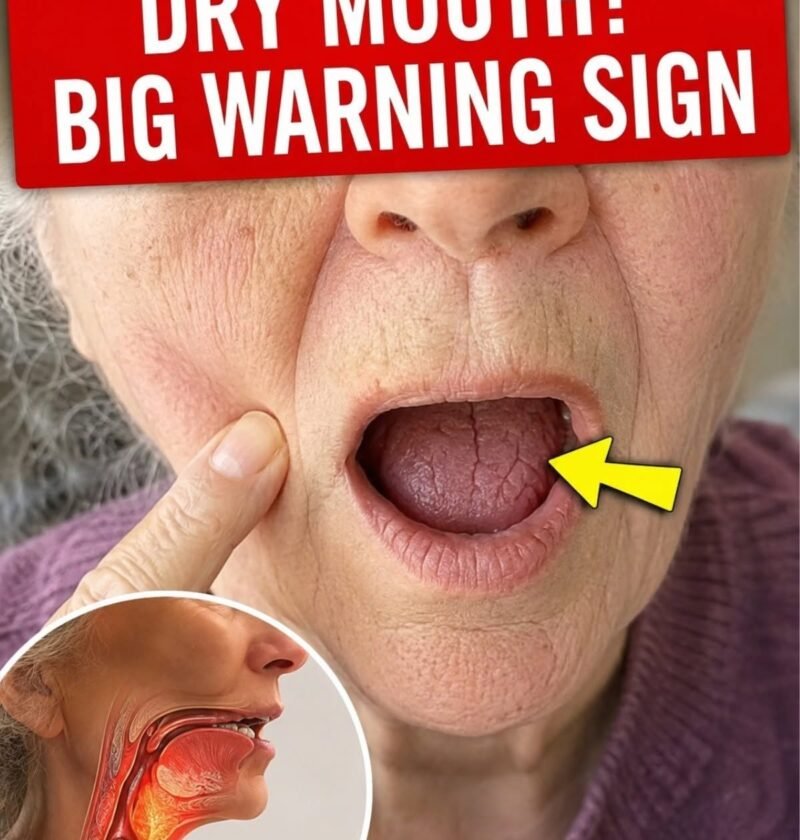
If you’re asking whether this claim is true, the first half is correct, but “your saliva is shutting down” is an exaggerated way to describe it.
Dry mouth is not simply aging
The National Institute of Dental and Craniofacial Research (NIDCR) explicitly says that dry mouth is not a normal part of aging. Older adults may experience it more often because they’re more likely to take medications or have conditions that reduce saliva.
N
NIDCR
+1
Common causes include:
Medications: Hundreds of medicines can reduce saliva production. Drugs for high blood pressure, depression, and bladder problems are among common examples.
N
NIDCR
Dehydration: Not taking in enough fluid can make the mouth dry.
Diabetes and other diseases: Certain systemic conditions can affect saliva.
Sjögren’s disease: This autoimmune condition can attack the salivary glands and substantially reduce saliva production.
N
NIDCR
Radiation treatment: Radiation involving the head and neck can permanently damage salivary glands.
N
NIDCR
Nerve damage: Nerves controlling the salivary glands can be affected by injury or disease.
N
NIDCR
Why saliva matters
Saliva isn’t just there to keep your mouth wet. It helps with chewing, swallowing, digestion, protecting teeth, and controlling harmful bacteria and fungi. Persistent lack of saliva increases the risk of tooth decay and oral infections.
N
NIDCR
+1
What you can do
For mild dryness, regularly sipping water and chewing sugar-free gum can stimulate saliva. Limiting tobacco and alcohol can also help.
N
NIDCR
If dry mouth is persistent, especially if it started after a new medication, don’t simply accept it as “getting older.” A doctor or dentist can review your medications and look for an underlying cause. Don’t stop prescription medicines on your own.
N
NIDCR
Bottom line: Dry mouth can mean your salivary glands aren’t producing enough saliva—but it does not automatically mean your saliva production is permanently “shutting down.” The cause is often identifiable and sometimes treatable.
N
Sources