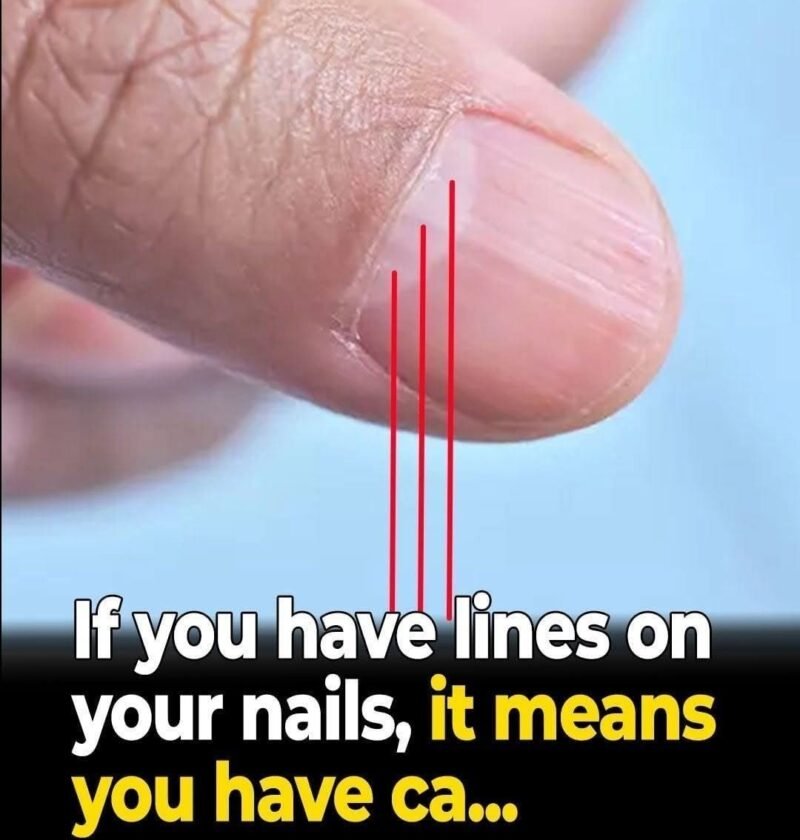
Can Your Fingernails Predict Your Life Expectancy?
Claims that a doctor can look at one feature of your fingernails and predict how long you’ll live are misleading. Fingernails can sometimes provide clues about health, but they cannot reliably determine an individual’s life expectancy.
Some nail changes are worth discussing with a healthcare professional:
-
Clubbing: Fingertips become enlarged and the nails curve more around the fingertips. It can be associated with certain lung, heart, gastrointestinal, or other conditions.
-
Pale or white nails: These can occur for several reasons, including normal variation, aging, nutritional problems, or certain medical conditions.
-
Blue or gray nails: This can sometimes indicate reduced oxygenation or circulation and deserves medical attention when it is new or persistent.
-
A dark streak: A new or changing dark band under one nail can occasionally be a sign of melanoma and should be evaluated, particularly if it is widening or extending onto the surrounding skin.
-
Brittle or spoon-shaped nails: These may occur with nutritional deficiencies, thyroid problems, repeated exposure to water or chemicals, or other conditions.
The important distinction
A nail change is a clue, not a prediction. Most nail abnormalities have multiple possible explanations, and many are harmless.
If you notice a new, persistent, or rapidly changing nail abnormality, particularly a dark streak, nail separation, unexplained clubbing, or blue discoloration, have it examined rather than trying to interpret it as a prediction of your lifespan.
Your overall health, medical conditions, lifestyle, genetics, and many other factors—not one nail feature—determine longevity.