Here’s a more detailed, curiosity-driven version that keeps the claim responsible:
🌱 Never Uproot This Plant If It Appears in Your Garden — You Might Be Surprised by Its Benefits
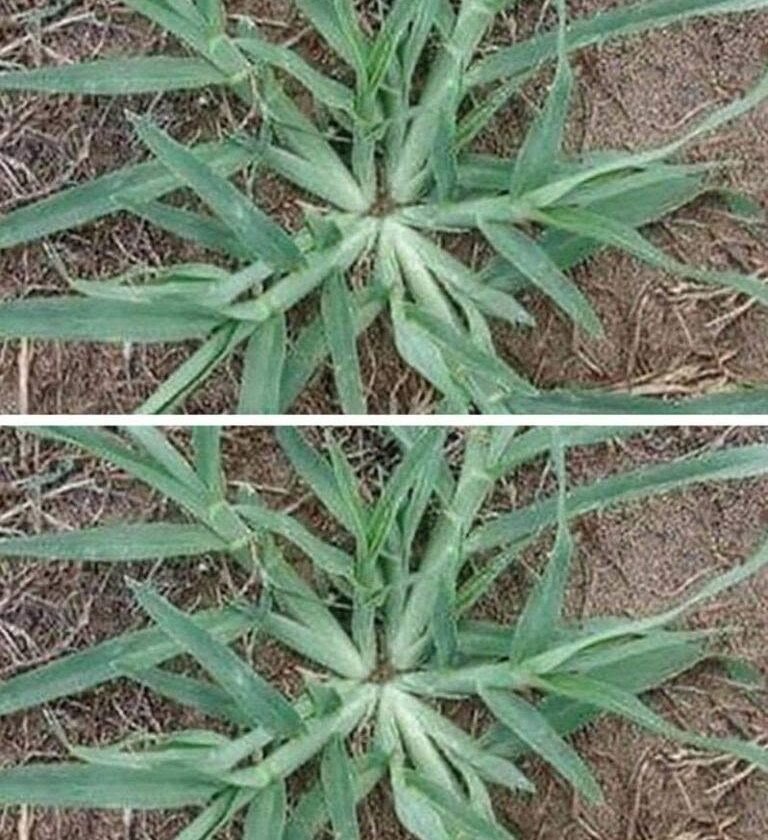
Before you pull a wild plant from your garden, take a moment to identify it. Some plants that are commonly mistaken for weeds can actually have ecological or practical value.
🌿 Why You Should Think Twice
1. It may support pollinators 🐝
Some naturally occurring plants provide nectar, pollen, or habitat for bees, butterflies, and other beneficial insects.
2. It can help the soil 🌱
Certain plants contribute organic matter when they grow and eventually decompose, while their roots can help hold soil in place.
3. It may be edible—but identification matters 🍃
Some wild plants are edible and nutritious, but many have look-alikes that can be toxic. Never eat a wild plant unless you can identify it with certainty.
4. It could be useful in the garden 🌾
Some plants can attract beneficial insects or serve as ground cover, potentially making them worth keeping in the right location.
5. Not every “weed” needs to be removed
A plant growing naturally isn’t necessarily harmful. If it isn’t competing with your crops, blocking pathways, or spreading aggressively, you may choose to leave it alone.
⚠️ Important: Don’t blindly follow advice to “never uproot” a plant. Some species are invasive, poisonous, irritating to the skin, or harmful to pets and children.
👉 The real secret is simple: identify the plant first, then decide whether it belongs in your garden.