Ah, the classic longevity-expert clickbait hook! This particular flavor of headline usually traces back to discussions by researchers like Harvard geneticist Dr. David Sinclair, who highlights how everyday biological markers—like how fast your nails grow—can reflect your body’s cellular turnover.
While the headline frames it as a crystal ball for your exact “life expectancy,” the reality is a bit more nuanced and rooted in metabolic efficiency.
Here is what these doctors and studies are actually talking about when they look at your fingernails:
The Claim: Nail Growth Speed as an Aging Indicator
-
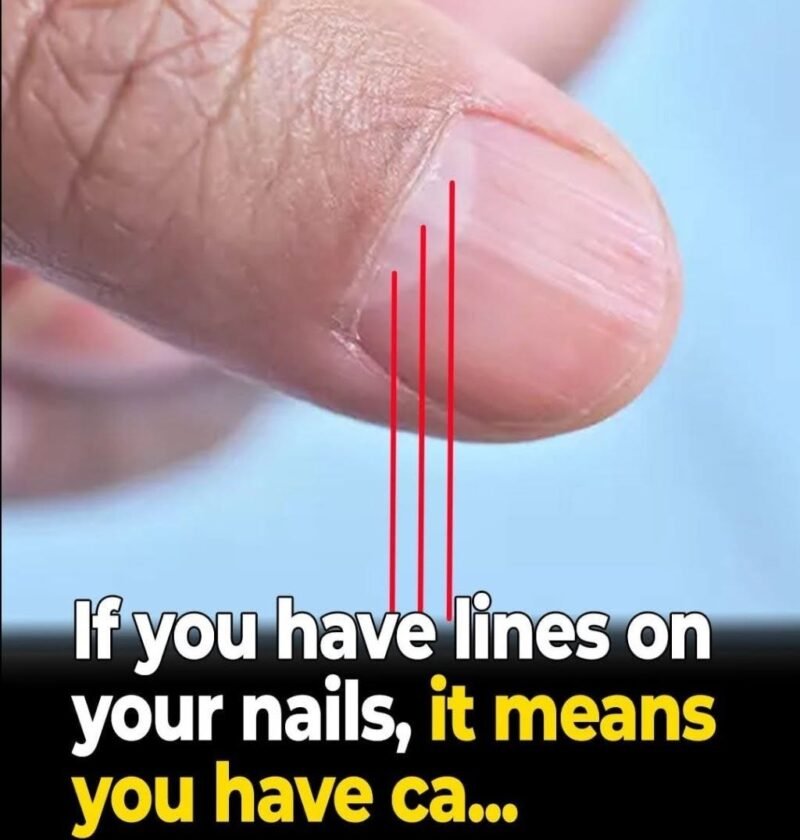
What the science says: Nail growth relies heavily on healthy peripheral circulation, abundant nutrient delivery, and active cell division (keratin production). Studies tracking human nail growth over decades have noted that the rate of linear nail growth gradually declines with age—dropping by roughly 0.5% per year starting around age 30, adding up to a significant slowdown over a lifetime.
-
The theory: Because nail growth slows down as your metabolism and cellular regeneration become less efficient, proponents of longevity science suggest that maintaining robust, fast-growing nails could be a surface-level reflection of youthful cellular function, good circulation, and a slower biological aging process.
What Your Nails Actually Tell You About Health
While tracking how often you need a manicure isn’t an exact science for predicting lifespan, your nails are legitimate windows into your day-to-day systemic health:
-
Circulation and Oxygenation: Slow-growing, brittle, or pale nails can sometimes point to poor peripheral blood flow or low iron (anemia). On the flip side, changes like “nail clubbing” (where the fingertips widen and nails curve downward) can be an external warning sign of chronic lung or heart issues affecting oxygen levels.
-
Nutritional Status: Because nail beds require steady protein, vitamins, and minerals to build strong keratin, sudden changes—like deep horizontal ridges (Beau’s lines) or severe peeling—often reflect periods of physical stress, illness, or nutritional shortfall.
-
Thyroid Function: An underactive thyroid (hypothyroidism) drastically slows down metabolic processes, which frequently results in dry, thick, sluggishly growing nails.
💡 The Bottom Line: You aren’t going to find your exact expiration date on your fingertips. A change in nail growth is just one minor piece of a massive, complex puzzle called biological aging. Things like genetics, cardiovascular fitness, diet, and lifestyle play the starring roles in long-term health.
Did this article try to sell you a specific “anti-aging” supplement to speed up your cellular turnover, or was it just exploring quirky biological markers?