Ah, this is one of the most persistent—and dangerous—medical myths floating around the internet!
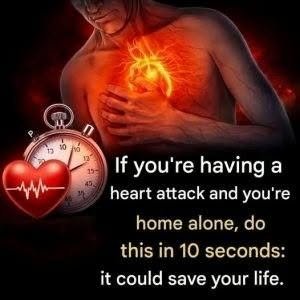
Whenever you see a headline claiming you can fix a heart attack in 10 seconds with a secret trick (usually referring to aggressive, forceful “cough CPR”), it is completely false.
Relying on a social media “hack” instead of getting real medical help can waste critical minutes. Here is the reality behind that claim and what you should actually do:
Why “Cough CPR” Doesn’t Work at Home
-
The Origin: The concept of coughing forcefully stems from very specific, highly monitored hospital environments (like a cardiac catheterization lab) where a doctor or nurse might coach a fully conscious patient to cough for a few seconds to maintain brief blood flow during a sudden, monitored heart rhythm glitch (arrhythmia).
-
The Reality Outside a Hospital: A heart attack is a plumbing problem (a blocked artery cutting off blood flow to the heart muscle). Coughing does not clear a blocked artery, it does not restart a stopped heart, and major health organizations like the American Heart Association do not endorse it for public use. Furthermore, if someone goes into actual cardiac arrest, they lose consciousness instantly and cannot cough.
What You Should Actually Do in a Heart Attack Emergency
If you or someone else is experiencing symptoms of a heart attack (such as crushing chest pressure, pain radiating down the arm or jaw, sudden shortness of breath, cold sweats, or nausea), forget the 10-second internet tricks and take these real, proven steps:
-
Call Emergency Services Immediately (e.g., 911): Do not try to drive yourself to the hospital, and do not “wait it out” to see if the pain passes. Paramedics begin life-saving care the moment they arrive.
-
Stop and Rest: Sit down immediately, stay as calm as possible, and avoid any physical exertion.
-
Take Aspirin (If Appropriate): If the person is not allergic to aspirin, has no bleeding disorders, and is not told otherwise by a doctor, chewing a regular-strength aspirin can help keep blood platelets from sticking together and prevent a clot from growing while help is on the way.
-
Use Prescribed Medication: If the person has a history of heart issues and has a prescription for nitroglycerin, they should use it as directed by their physician.
-
Be Ready for CPR: If the person collapses, becomes unresponsive, and stops breathing normally, immediately begin Hands-Only CPR (pushing hard and fast in the center of the chest) and use an AED if one is available.
Did this clickbait headline pop up on your feed framed as a “miracle trick” doctors supposedly don’t want you to know?