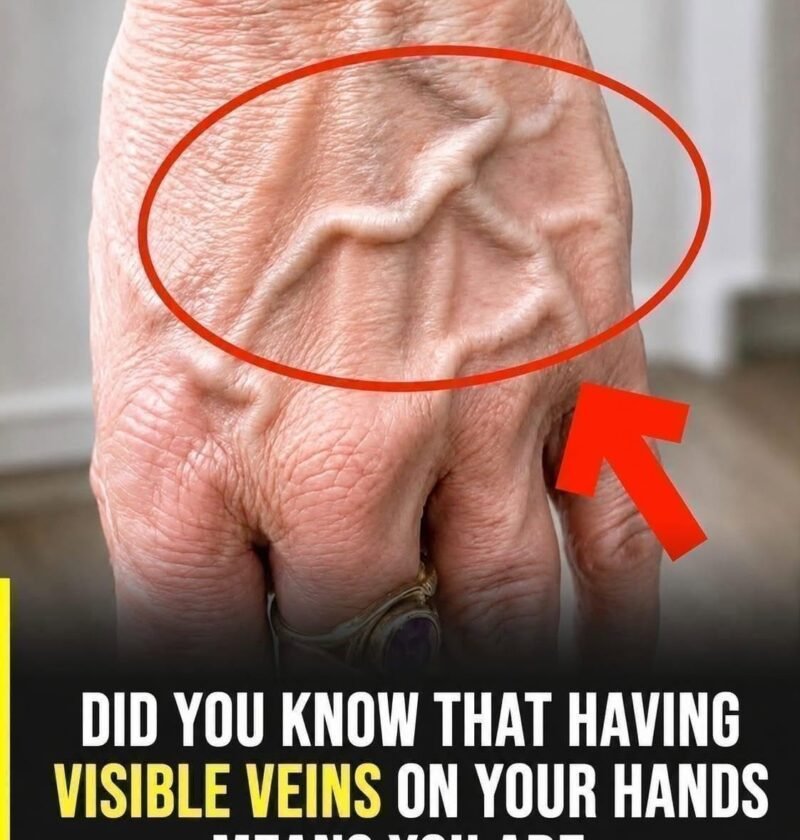
Viral social media posts and internet health trends frequently claim that having visible veins means something specific about your health, fitness, or genetics—often romanticizing them as a sign of elite conditioning or, conversely, warning that they indicate a hidden medical problem.
In reality, the medical significance of visible veins depends entirely on why they are visible, where they appear, and your natural body anatomy.
Here is what dermatologists, vascular specialists, and fitness experts say about visible veins:
1. The Fitness & Body Composition Reason (Low Body Fat)
When people see fitness models or athletes with prominent veins running down their arms, legs, or abdomen, it is usually a sign of low subcutaneous body fat combined with high muscle mass.
-
How it works: Fat acts like a blanket beneath your skin. As body fat percentage decreases, that layer thins out, pushing blood vessels closer to the surface. Additionally, regular resistance training increases blood flow and muscle size, which naturally expands blood vessels and makes them more prominent.
-
Genetics Play a Major Role: Some people naturally have thinner skin or superficial vein pathways that make their veins much more visible, even at a higher body fat percentage.
2. The Natural Aging & Skin Thinning Reason
As we age, our skin naturally loses elasticity, collagen, and subcutaneous fat, especially on the hands, arms, and legs.
-
How it works: Because the protective cushion of fat beneath the skin thins out over time, veins that were previously hidden become much more noticeable and prominent. This is a completely normal, harmless part of aging.
3. The Medical Warning: Varicose Veins & Chronic Venous Insufficiency
Not all visible veins are a sign of fitness or aging; sometimes they indicate an underlying circulatory issue:
-
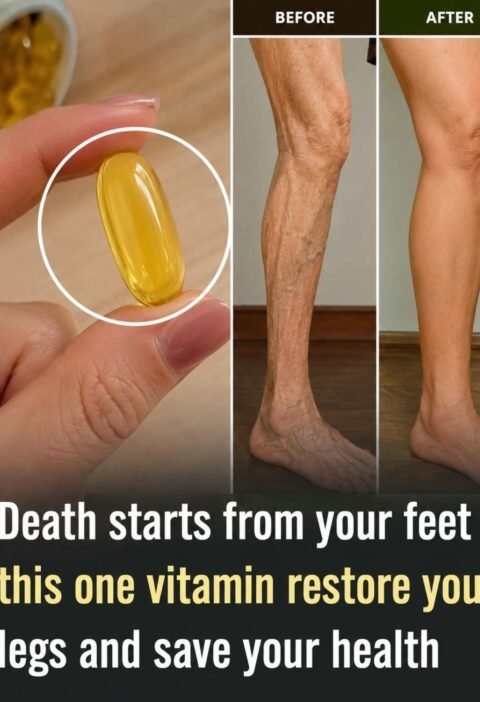
Varicose Veins: If you notice veins that are twisted, bulging, swollen, or dark purple/blue—usually appearing on the calves or thighs—this is a medical condition known as varicose veins.
-
The Cause: Tiny one-way valves inside your veins weaken over time, allowing blood to flow backward and pool in the lower limbs rather than efficiently returning to the heart.
-
Symptoms to Watch For: Varicose veins are often accompanied by aching, heaviness, cramping, or swelling in the legs, especially after standing for long periods. If left untreated, they can sometimes lead to chronic venous insufficiency.
Summary: When to See a Doctor
-
Harmless: If your veins are straight, flat, symmetrical, and appear because you are lean, athletic, fair-skinned, or aging naturally, they are generally completely normal.
-
Consult a Specialist: If your veins are bulging, painful, throbbing, or accompanied by leg swelling, skin discoloration, or ulcers around the ankles, you should consult a doctor or a vascular specialist for an evaluation.