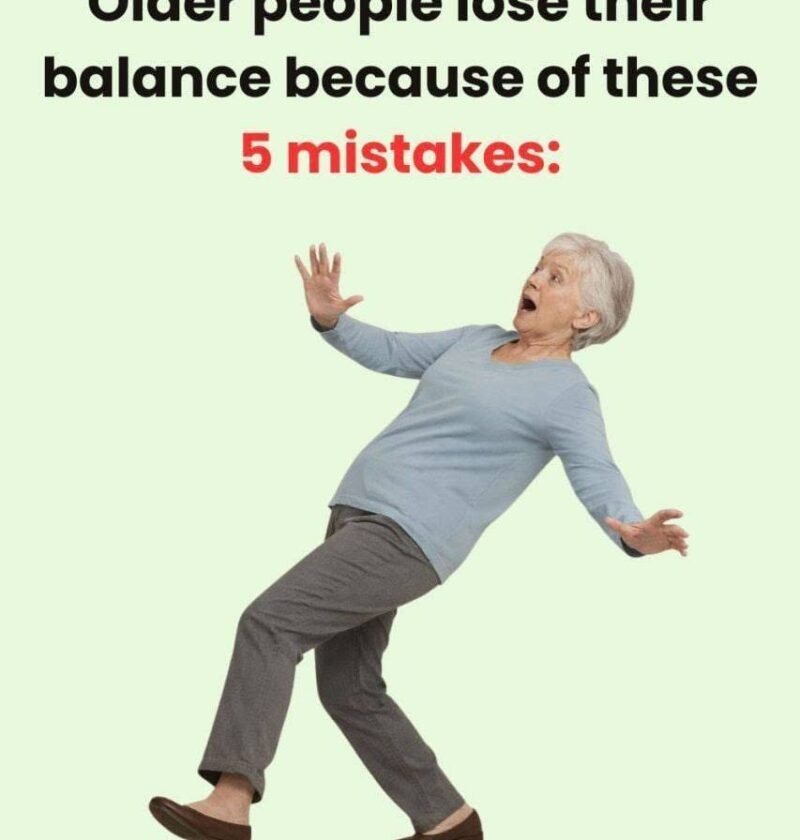
Common Mistakes That Affect Balance in Older Adults
Balance naturally becomes more challenging with age, but falls are not an inevitable part of getting older. Several everyday habits and overlooked health issues can make balance worse.
N
National Institute on Aging
+1
1. Staying inactive
Avoiding movement because you’re afraid of falling can actually contribute to muscle weakness and poorer balance. Strength and balance exercises, including appropriately supervised physical therapy or tai chi, can help.
C
CDC
+1
2. Ignoring dizziness
Repeated dizziness, light-headedness, or feeling unsteady shouldn’t simply be dismissed as “old age.” Balance problems can be related to medications, inner-ear disorders, vision problems, or other medical conditions.
N
National Institute on Aging
3. Not reviewing medications
Some prescription and over-the-counter medicines can cause drowsiness, dizziness, blurred vision, confusion, or blood-pressure changes, increasing fall risk. Have your medicines reviewed periodically by your doctor or pharmacist—but don’t stop a medication on your own.
C
CDC Stacks
+1
4. Wearing unsafe footwear
Loose slippers, smooth soles, poorly fitting shoes, and high heels can make slipping or losing balance more likely. Supportive, well-fitting shoes with good traction are generally safer.
N
National Institute on Aging
5. Poor lighting
Walking to the bathroom in darkness is a common opportunity for a fall. Keep pathways well lit and consider a night-light near the bed and bathroom.
C
CDC
6. Leaving household hazards around
Loose rugs, electrical cords, clutter, wet floors, and other obstacles can turn an ordinary walk into a fall. Keeping frequently used pathways clear is a simple but important precaution.
C
CDC
7. Neglecting eyesight
Vision is an important component of balance. Regular eye examinations and properly updated glasses can help you detect obstacles and judge steps and surfaces more accurately.
C
CDC Stacks
8. Standing up too quickly
If you become light-headed when getting out of bed or a chair, you may be experiencing a blood-pressure drop with position changes. Pause before walking and discuss recurring episodes with a healthcare professional.
N
National Institute on Aging
9. Assuming balance problems are “just aging”
New or worsening unsteadiness deserves attention. Conditions involving the inner ear, nerves, heart, blood vessels, thyroid, vision, or brain can contribute to balance problems.
N
National Institute on Aging
10. Trying to manage significant balance problems alone
If you’ve fallen, frequently feel unsteady, or need to hold onto furniture while walking, tell your doctor. A physical therapist or other professional can assess your balance and develop exercises appropriate for you.
N
National Institute on Aging
+1
🚨 When balance trouble needs urgent attention
Sudden loss of balance accompanied by facial drooping, weakness or numbness on one side, difficulty speaking, sudden vision changes, or a severe unexplained headache can be a sign of a stroke. Seek emergency medical care immediately rather than waiting for the symptoms to pass.
The goal isn’t to stop moving because you’re afraid of falling. It’s to make movement safer while addressing the factors that are making you unsteady.
N
C
C
Sources