Baking Soda on Your Face: Benefits, Risks, and the Safest Approach
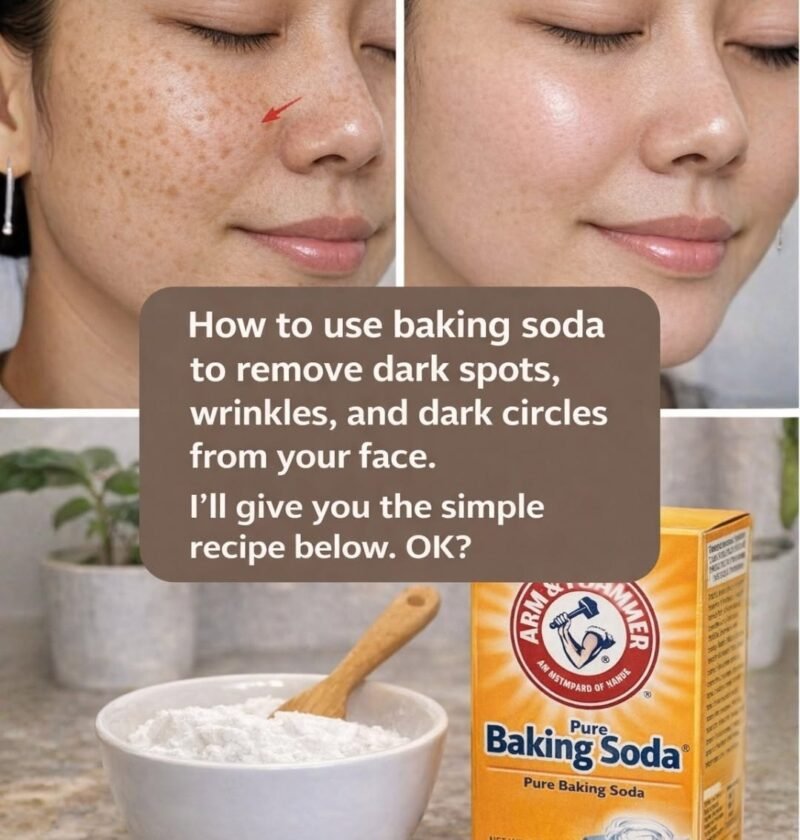
Baking soda (sodium bicarbonate) is often promoted online as a cheap facial cleanser, exfoliant, acne treatment, or dark-spot remover. The evidence for these cosmetic benefits is limited, while irritation is a real concern. (Healthline)
What are the supposed benefits?
Baking soda can act as a mild physical exfoliant and may temporarily remove surface oil and dead skin cells, making skin look brighter or smoother. But that doesn’t mean it treats the underlying cause of acne or pigmentation. (Healthline)
⚠️ Why dermatologists are cautious
Healthy facial skin is mildly acidic, while baking soda is alkaline, with a pH around 8–9. Applying it repeatedly can disrupt the skin barrier and potentially cause:
- Dryness and flaking
- Burning, redness or irritation
- Increased sensitivity
- Worsening acne
- Darker pigmentation after inflammation, particularly in susceptible skin (GW Dermatology)
Don’t use baking soda as a daily face wash or scrub. It’s especially unwise on already irritated, eczema-prone, sunburned or broken skin.
What about dark spots and wrinkles?
There is no good evidence that baking soda removes age spots or wrinkles. Any immediate “brightening” is more likely to come from removing surface oils and cells rather than eliminating deeper pigmentation. Irritation can actually make discoloration worse. (Healthline)
For pigmentation, sunscreen and proven ingredients such as niacinamide, azelaic acid, retinoids or dermatologist-directed treatments are generally more appropriate.
If you still want to try it
The safest advice is not to use a homemade baking-soda facial treatment, particularly as a routine. If you’ve already applied it and experience burning, redness or persistent irritation, wash it off gently and use a bland moisturizer.
Never combine baking soda with lemon juice or other acidic DIY ingredients and assume that makes it safer. Homemade mixtures can still irritate the skin.
Bottom line: Baking soda belongs primarily in the kitchen, not your daily skincare routine. It may temporarily make skin feel smoother, but the potential for irritation outweighs the unproven facial benefits for most people.