Atorvastatin Side Effects: What You Actually Need to Know
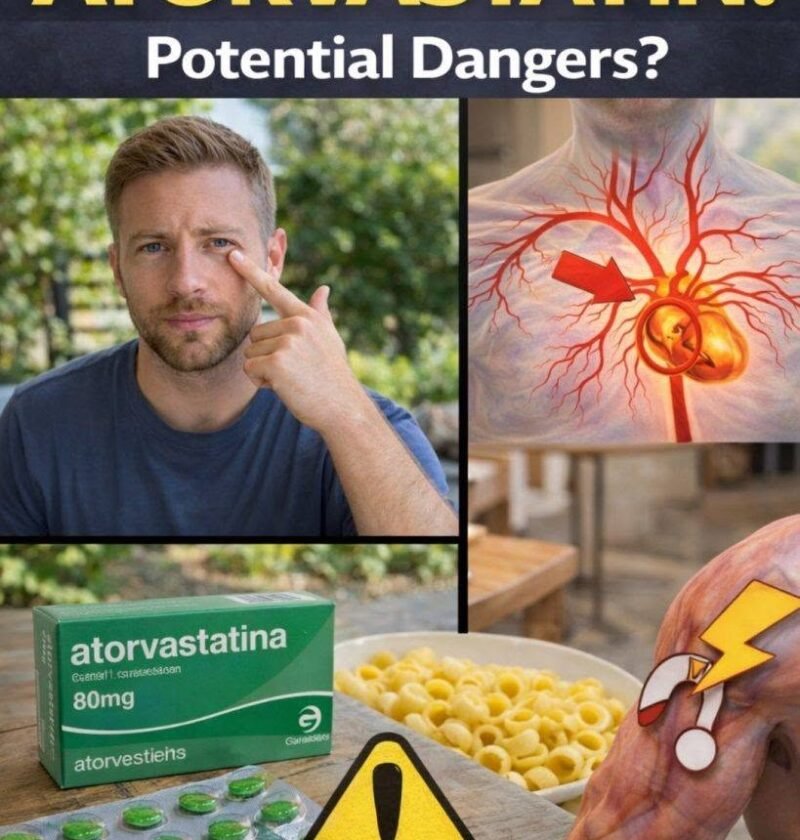
The headline “15 hidden dangers your doctor might not tell you” is misleading. Atorvastatin can cause side effects, including some rare but serious ones, but it is also an extensively studied medication that lowers LDL cholesterol and reduces the risk of heart attack and stroke.
Possible side effects
Some people experience:
- Muscle aches or cramps
- Joint pain
- Headache
- Nausea or indigestion
- Diarrhea or constipation
- Dizziness
- Fatigue or weakness
- Sleep problems
- Changes in blood-sugar levels
- Rash or itching
Less commonly, people can experience memory problems, tingling/numbness, blurred vision or other unusual symptoms. These should be discussed with a clinician rather than automatically attributed to atorvastatin.
⚠️ Rare but important problems
The most important serious reactions include:
- Severe muscle injury (rhabdomyolysis): muscle pain or weakness accompanied by dark/brown urine can be a warning sign.
- Liver injury: yellow skin/eyes, dark urine, unusual fatigue or upper-abdominal pain need medical attention.
- Severe allergic reactions: swelling of the face, lips, tongue or throat or difficulty breathing requires emergency care.
- Rarely, an autoimmune muscle condition called immune-mediated necrotizing myopathy (IMNM) can cause persistent weakness even after the statin is stopped.
🍊 Interactions matter
Some medicines—including certain antibiotics, antifungals and antiviral drugs—can increase atorvastatin’s muscle-related risks. Large amounts of grapefruit juice can also increase side-effect risk. Alcohol can increase the risk of liver problems. Tell your doctor or pharmacist about all medications and supplements you’re taking.
🚫 Don’t stop atorvastatin because of a viral headline
If you think atorvastatin is causing a problem, talk to your prescriber rather than stopping it on your own. Your clinician may lower the dose, change the statin, or consider another cholesterol-lowering treatment.