Does a Vitamin Really Raise Stroke Risk?
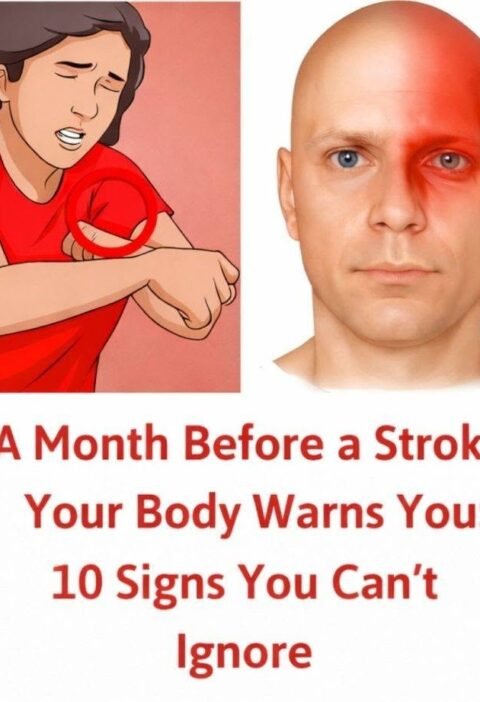
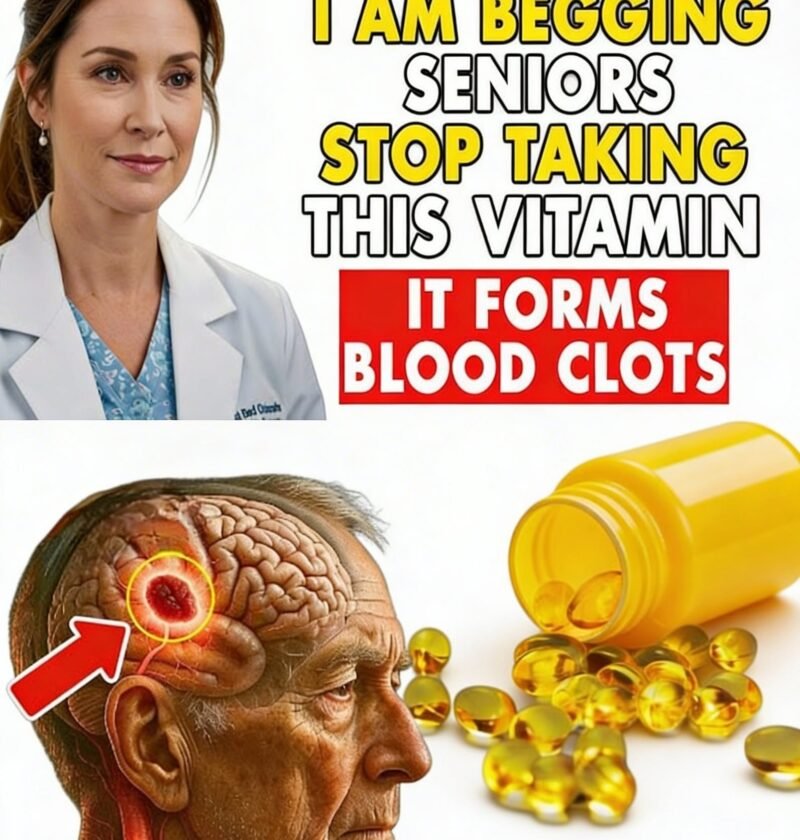
The headline is likely referring to vitamin E supplements. There is a real scientific concern here, but the viral wording “raises stroke risk overnight” is misleading.
Research has found that high-dose vitamin E supplementation may increase the risk of hemorrhagic (bleeding) stroke. One large meta-analysis of randomized trials found a 22% relative increase in hemorrhagic stroke, although vitamin E did not increase the risk of stroke overall.
P
PubMed
+1
More recent evidence remains mixed: a 2023 meta-analysis found that vitamin E supplementation alone did not reduce stroke risk, while combination antioxidant supplements showed an increased risk of hemorrhagic stroke.
P
PubMed
What about vitamin E from food?
That’s an important distinction. The NIH notes that vitamin E naturally present in foods is not considered harmful; the concern is primarily with high-dose supplements. Vitamin E supplements can also increase bleeding risk and interact with certain medications.
O
ods.od.nih.gov
So there’s no reason for most people to suddenly stop eating nuts, seeds, vegetable oils, or other foods containing vitamin E.
Bottom line: Don’t take high-dose vitamin E supplements specifically to prevent stroke. If you’re over 60 or taking blood-thinning medication, discuss any vitamin E supplement with your doctor or pharmacist before using it regularly. And never stop a prescribed medication based on a viral health headline.
P
O
Sources