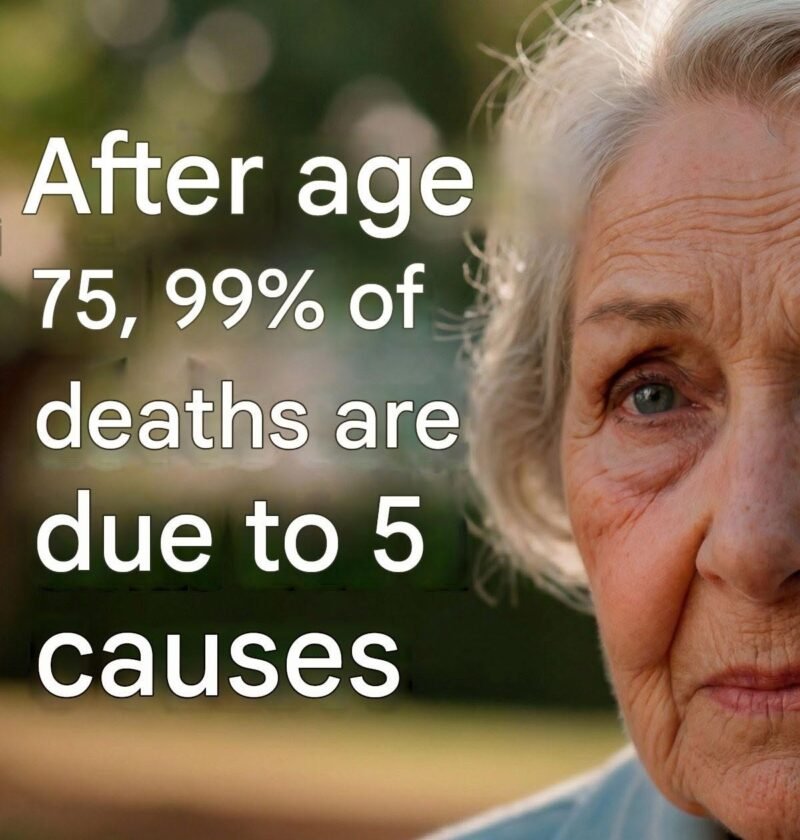
The headline “After age 75, 99% of deaths are due to these 5 causes” is misleading. There isn’t good evidence that exactly five causes account for 99% of deaths after 75. In current U.S. data, the major causes among
older adults include heart disease, cancer, stroke, chronic respiratory disease, Alzheimer’s disease, diabetes, kidney disease, and unintentional injuries. CDC+1
That said, there are five big areas worth focusing on if the goal is to stay healthy and independent after 75:
1. Heart disease
Heart disease remains the leading cause of death in the U.S. overall, and cardiovascular risk increases with age. CDC
What helps:
- Keep blood pressure, cholesterol, and diabetes under control.
- Don’t smoke.
- Stay physically active.
- Eat mostly vegetables, fruits, whole grains, legumes, nuts, and appropriate sources of protein.
- Take prescribed medications consistently.
- Attend regular medical checkups.
2. Cancer
Cancer is the second leading cause of death overall. CDC
What helps:
- Don’t smoke or use tobacco.
- Maintain a healthy weight and stay active.
- Limit alcohol.
- Follow age- and risk-appropriate cancer screening recommendations.
- Report persistent or unusual symptoms rather than ignoring them.
Importantly, at older ages, screening decisions should be individualized according to life expectancy, health status, previous screening, and personal preferences.
3. Stroke
Stroke is another major cause of death and disability in older adults. CDC
The most important modifiable risk factor is high blood pressure.
What helps:
- Monitor and control blood pressure.
- Manage diabetes and cholesterol.
- Don’t smoke.
- Stay active.
- Follow prescribed treatment for atrial fibrillation or other heart conditions.
Sudden facial drooping, arm weakness, speech difficulty, severe unexplained dizziness, or other sudden neurological symptoms require emergency medical attention.
4. Chronic lung disease and serious respiratory infections
Chronic lower respiratory diseases are among the leading causes of death, and older adults are also more vulnerable to severe respiratory infections. CDC+1
What helps:
- Never smoke; stop if you currently smoke.
- Avoid secondhand smoke and significant air pollution when possible.
- Keep recommended vaccinations up to date.
- Treat chronic lung conditions appropriately.
- Seek medical care promptly for significant breathing problems or respiratory infections.
5. Falls, frailty and loss of independence
This one is particularly important because unintentional injuries are a leading cause of death among older adults, with falls accounting for a large proportion of these injuries. CDC
What helps:
- Do strength and balance exercises.
- Keep walking regularly if medically appropriate.
- Have vision and hearing checked.
- Review medications with a clinician/pharmacist for drugs that increase dizziness or fall risk.
- Remove loose rugs and other trip hazards.
- Install grab bars and improve lighting at home.
- Use an appropriate walking aid when necessary.
The bigger picture
You don’t need a complicated “anti-aging” program. The evidence points toward a surprisingly simple strategy: move regularly, eat well, don’t smoke, maintain healthy blood pressure/metabolic health, stay socially connected, prevent falls, sleep adequately, and keep up with appropriate medical care and vaccinations. CDC specifically recommends nutrition, physical activity, mental stimulation, social connection, injury prevention, and routine healthcare as pillars of healthy aging. CDC
And it’s not too late after 75. Healthy behaviors can still improve health and independence in later life. NIA
One encouraging example: the WHO’s updated 2026 guidance estimates that up to 45% of dementia risk may be attributable to potentially modifiable factors, including physical inactivity, smoking, social isolation, high blood pressure and diabetes. World Health Organization
Bottom line: Don’t focus on trying to “avoid death after 75.” Focus on maintaining heart and brain health, muscle and balance, lung health, healthy metabolic numbers, and independence. Those are among the highest-value things you can influence.