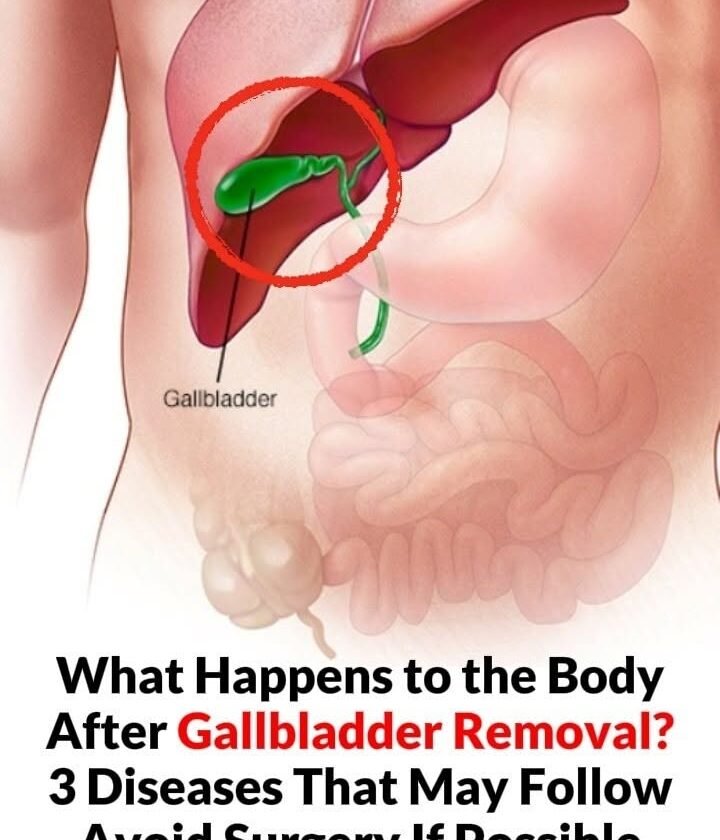
After Gallbladder Removal: 3 Things That Can Happen
The claim that you should avoid gallbladder removal whenever possible is too broad. Cholecystectomy is a common and generally safe operation, and when gallstones or another gallbladder problem is causing complications, surgery may be the safest treatment.
Some people do experience changes after surgery:
- Diarrhea or looser stools
Without a gallbladder, bile flows continuously into the intestine rather than being stored and released after meals. A small percentage of people develop persistent diarrhea, which can sometimes be treated with dietary changes or medication. - Indigestion, bloating, or abdominal discomfort
Some people notice changes in digestion after surgery. These symptoms can also have other causes and don’t necessarily mean the operation was unsuccessful. - Bile-related complications
Rarely, problems such as a retained bile-duct stone, bile leak, infection, or injury to the bile ducts can occur. These are complications of the procedure rather than inevitable consequences of living without a gallbladder.
Should you avoid gallbladder surgery?
Not simply because you’re worried about these possibilities. If you have asymptomatic gallstones, surgery often isn’t necessary. But symptomatic or complicated gallbladder disease—including repeated painful attacks, inflammation, infection, or certain other complications—may warrant removal. The decision should be based on your specific diagnosis and risks.
After surgery, seek medical attention for severe or worsening abdominal pain, fever, persistent vomiting, jaundice, or significant swelling/redness around the surgical wound.
Bottom line: You can live normally without a gallbladder, and removal is appropriate for many people. The question isn’t whether gallbladder surgery should be avoided “whenever possible,” but whether the benefits of surgery outweigh the risks for your particular condition.