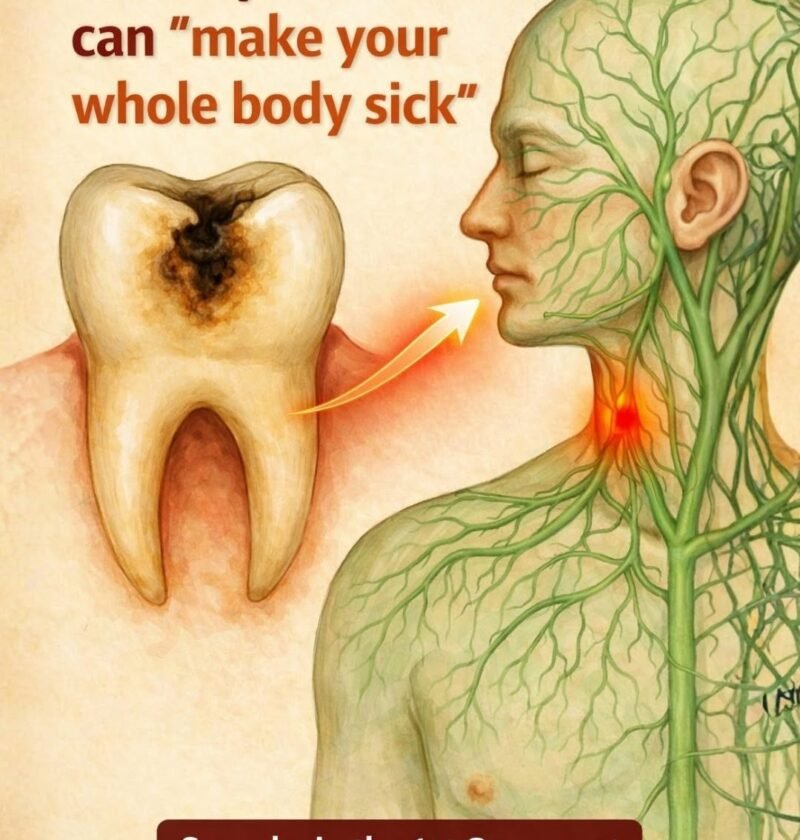
Can One Tooth Really Trigger Chronic Inflammation Throughout the Body?
A painful or infected tooth should not be ignored, but the claim that “one tooth is enough to cause chronic inflammation throughout the entire body” is too broad.
Certain dental infections—particularly periodontitis (advanced gum disease)—are associated with inflammation and several systemic health conditions. However, researchers have not established that every infected or damaged tooth automatically causes chronic inflammation throughout the body.
How an unhealthy tooth can become a problem
1. Bacteria can accumulate around the tooth
Plaque contains bacteria. If it isn’t adequately removed, it can contribute to gum inflammation and, over time, periodontal disease.
2. Gum disease can become a chronic inflammatory condition
Periodontitis affects the tissues and bone supporting the teeth. The body’s immune response to bacteria contributes to tissue destruction, bleeding, gum recession, and eventually tooth loss.
3. Inflammation can have effects beyond the mouth
Researchers have found associations between periodontitis and conditions including diabetes and cardiovascular disease. Chronic inflammation in the mouth may contribute to inflammatory activity elsewhere in the body.
4. But association isn’t the same as causation
This distinction is important. People with gum disease may also have common risk factors such as smoking, obesity, poor diet, and diabetes. The American Dental Association notes that direct cause-and-effect relationships between periodontal disease and many systemic diseases remain uncertain.
Warning signs you shouldn’t ignore
See a dentist if you have:
- Persistent tooth pain or sensitivity
- Bleeding or swollen gums
- Pus around a tooth or gums
- Persistent bad breath or unpleasant taste
- Loose or shifting teeth
- Receding gums
- Pain or swelling in the face or jaw
A dental abscess accompanied by facial swelling, fever, difficulty swallowing, or difficulty breathing requires urgent medical attention.
How to protect your oral and overall health
Brush twice daily with fluoride toothpaste, clean between your teeth every day, avoid tobacco, and have regular dental examinations. If you have diagnosed gum disease, professional periodontal treatment can remove plaque and calculus and control the local infection and inflammation.
Bottom line: One unhealthy tooth doesn’t automatically mean your whole body is chronically inflamed. But persistent dental infection or periodontal disease can be significant for both oral and overall health, so treating it promptly is worthwhile.