Real Systemic Nail Signs vs. “Life-Expectancy” Clickbait
| Nail Sign | What It Looks Like | What It Actually Reflects Medically |
| Finger Clubbing (Schamroth’s window test) | Nail beds soften and curve downward like an upside-down spoon; fingertips widen and the normal diamond-shaped gap disappears when pressing two opposite thumbnails together. | Often linked to chronic low blood oxygen from lung diseases (COPD, pulmonary fibrosis, lung cancer), congenital/chronic heart conditions, or inflammatory bowel/liver disease—a genuine prompt for a medical workup, not a fixed countdown. |
| Terry’s Nails | Most of the nail plate looks opaque white/ground-glass, leaving only a narrow 0.5–3 mm pink or brown band at the very tip. | Seen with normal aging, as well as liver cirrhosis, chronic heart failure, or type 2 diabetes due to reduced blood supply in the nail bed. |
| Spoon Nails (Koilonychia) | Thin, soft nails that scoop inward like a spoon (able to hold a drop of water). | Most commonly caused by iron-deficiency anemia (or occasionally hemachromatosis or occupational chemical exposure); typically reverses once iron levels are corrected. |
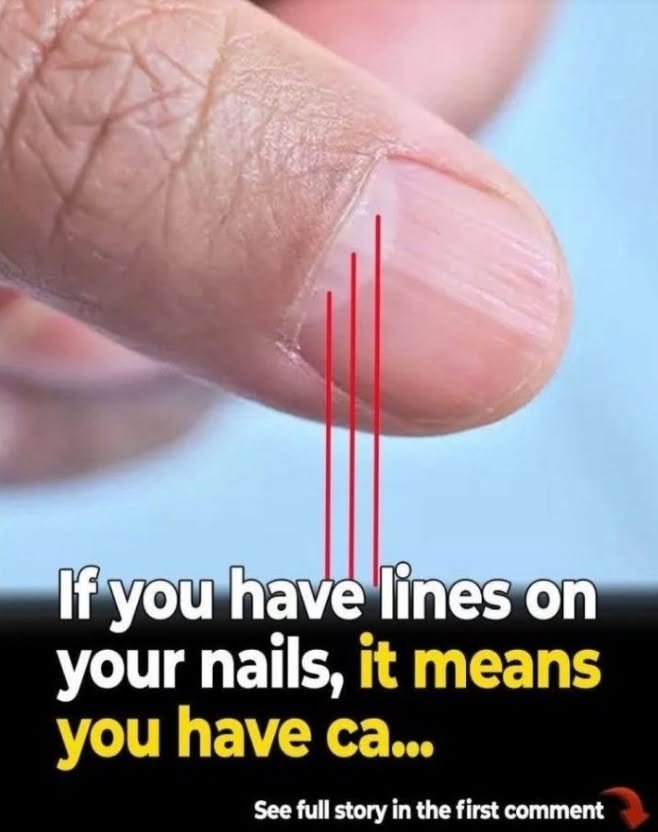
| Vertical Ridges or Mild Nail Slowing | Faint lengthwise lines or slightly thicker, slower-growing nails after age 40–50. | Normal biological aging—nail growth slows by roughly 0.5% per year after age 25–30 simply because peripheral circulation and cell turnover naturally ease with age. |
What Clickbait Nail Articles Get Wrong
-
Slow-growing nails do not mean “accelerated aging” on their own: Viral posts sometimes cite older observational comments about nail growth speed correlating with chronological age. Having thicker, slower-growing nails at 65 than at 25 simply reflects normal age-related changes in peripheral blood flow—not a personal expiration timer.
-
Harmless nail traits get mislabeled as fatal signs: White spots from minor bumps (leukonychia), faint vertical ridges, and slightly pale nail beds in cold weather are routine, harmless variations that affect healthy people every day.
Practical Steps If You Notice an Unusual Nail Change
-
Check both hands and compare over time: Systemic changes (like clubbing, Terry’s nails, or spooning) typically appear gradually across multiple fingers on both hands, whereas a mark on a single nail usually points to localized trauma, nail fungus, or a focal skin spot.
-
Focus on proven longevity drivers rather than nail-watching: Actual life expectancy is shaped overwhelmingly by blood pressure control, blood sugar and cholesterol management, avoiding tobacco, regular physical activity, quality sleep, and routine preventive screenings—not nail appearance.
When to see a doctor: Schedule a medical evaluation if you notice new downward curving/bulbous fingertips (clubbing), mostly white nails with a thin dark tip across several fingers, scooped spoon-shaped nails paired with fatigue or shortness of breath, or a new dark brown/black vertical band on a nail.