Sleeping position plays a surprisingly significant role in how well your airway stays open at night. When it comes to snoring, sleeping on your right side generally helps reduce or prevent snoring compared to sleeping on your back.
Here is a breakdown of why side sleeping matters, how the right side compares to the left, and why back sleeping is the primary trigger for airway noise.
🛌 Why Side Sleeping Reduces Snoring
When you sleep flat on your back (the supine position), gravity pulls your tongue, soft palate, and uvula backward toward the back of your throat. This narrow passageway vibrates as air tries to squeeze through, creating the classic sound of snoring.
Rolling onto your side uses gravity to your advantage:
-
Keeps the Airway Clear: Your tongue and soft tissues fall to the side rather than straight back, keeping your airway open and unobstructed.
-
Reduces Sleep Apnea Episodes: For individuals with mild obstructive sleep apnea (OSA), positional therapy—encouraging them to stay off their back—is often recommended because side sleeping significantly decreases the frequency of breathing interruptions.
➡️ Right Side vs. Left Side: Is One Better?
While both side-sleeping positions keep you off your back, there is a minor physiological difference to consider, particularly regarding digestion:
-
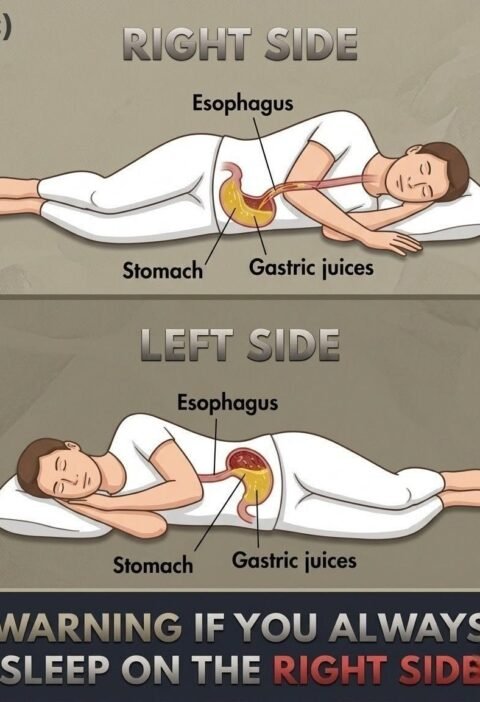
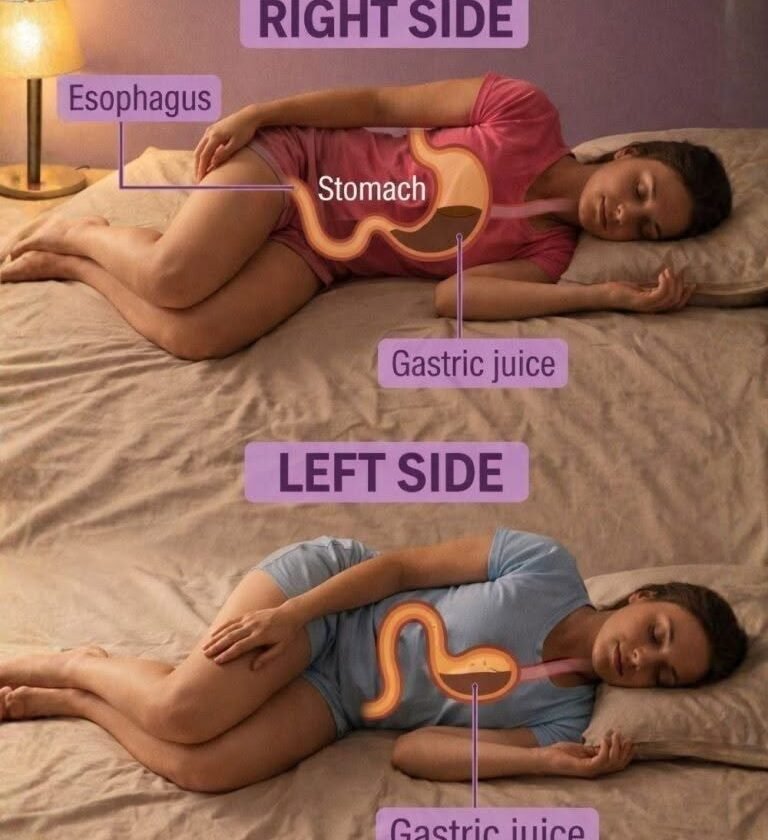
Why Left Side is Often Preferred for Digestion: Healthcare providers frequently recommend sleeping on your left side because of stomach anatomy. Your stomach sits on the left side of your abdomen; lying on the left keeps stomach acid below the level of the esophagus, making it the gold standard for reducing acid reflux (GERD) and heartburn.
-
The Right Side is Still a Win for Snoring: If your primary goal is stopping snoring and keeping your airway clear, sleeping on your right side is still vastly better than sleeping on your back. However, if you experience nighttime acid reflux that triggers coughing or throat irritation, trying the left side might give you a double benefit.
💡 Tips to Stay Off Your Back at Night
If you naturally drift onto your back while sleeping, here are a few simple ways to train your body to stay on your side:
-
The Body Pillow Trick: Hug a full-length body pillow to prevent your torso from rolling backward during the night.
-
The “Tennis Ball” Hack (Traditional): Some people sew a pocket into the back of an old sleep shirt and place a tennis ball inside it. If you roll onto your back, the discomfort naturally prompts you to roll back onto your side.
-
Adjustable Bed Base: Elevating the head of your bed by just 4 to 6 inches can also help reduce gravity’s pull on your throat tissues.