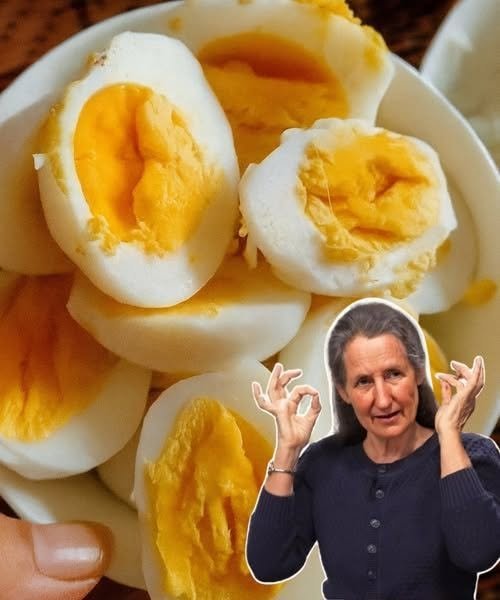
🥚 “The Egg Revolution: Why Eating Eggs Daily Could Transform Your Health”
Eggs are genuinely nutrient-dense, but “transform your health” is marketing language rather than a medical conclusion. Eating an egg every day can fit into a healthy diet for many people, but eggs aren’t a miracle food.
What makes eggs nutritious?
One large egg provides roughly 6 grams of protein and supplies nutrients including vitamin B12, riboflavin, selenium, vitamin D, choline, and carotenoids such as lutein and zeaxanthin.
R
recipes.heart.org
Eggs can therefore be particularly useful for older adults because they provide high-quality protein in a relatively small serving. Protein is important for maintaining muscle mass and strength as we age.
🫀 What about cholesterol?
This is where the viral headlines often go too far.
Egg yolks contain a substantial amount of dietary cholesterol. However, current cardiovascular guidance places greater emphasis on the overall dietary pattern and saturated fat than on obsessively avoiding dietary cholesterol. The American Heart Association’s 2026 guidance says that, for most people, dietary cholesterol is no longer a primary target for reducing cardiovascular risk and supports a heart-healthy eating pattern that includes moderate egg consumption.
P
professional.heart.org
+1
That doesn’t mean unlimited eggs are automatically healthy. People with high LDL cholesterol, diabetes, or established cardiovascular disease may need more individualized advice.
What you eat with the eggs matters
An egg served with:
vegetables
whole-grain toast
beans
fruit
avocado or other unsaturated-fat foods
is very different from an egg-heavy breakfast accompanied by bacon, sausage, butter, refined carbohydrates, and lots of salt.
The overall pattern matters more than one food. Current AHA guidance emphasizes vegetables and fruits, whole grains, healthy protein sources, unsaturated fats, and minimally processed foods while limiting added sugars, sodium, and excess saturated fat.
P
professional.heart.org
Does eating eggs every day prevent disease?
Not by itself. Eggs can contribute valuable nutrients, but there’s no good evidence that eating them daily will prevent heart disease, dementia, diabetes, or other diseases in everyone.
Think of eggs as one useful component of a nutritious diet, not a treatment.
A practical takeaway
For a generally healthy person, one egg a day can reasonably fit into a heart-healthy eating pattern. If you have high cholesterol, diabetes, kidney disease, or cardiovascular disease, your ideal intake may be different and should be discussed with your clinician or dietitian.
Bottom line: Eggs are an excellent source of protein and several important nutrients, and moderate daily consumption can be healthy for many people. But the “egg revolution” won’t transform your health by itself—the quality of your entire diet, physical activity, sleep, weight, blood pressure, cholesterol, and other lifestyle factors matter much more.
P
professional.heart.org
+1
R
P
Sources