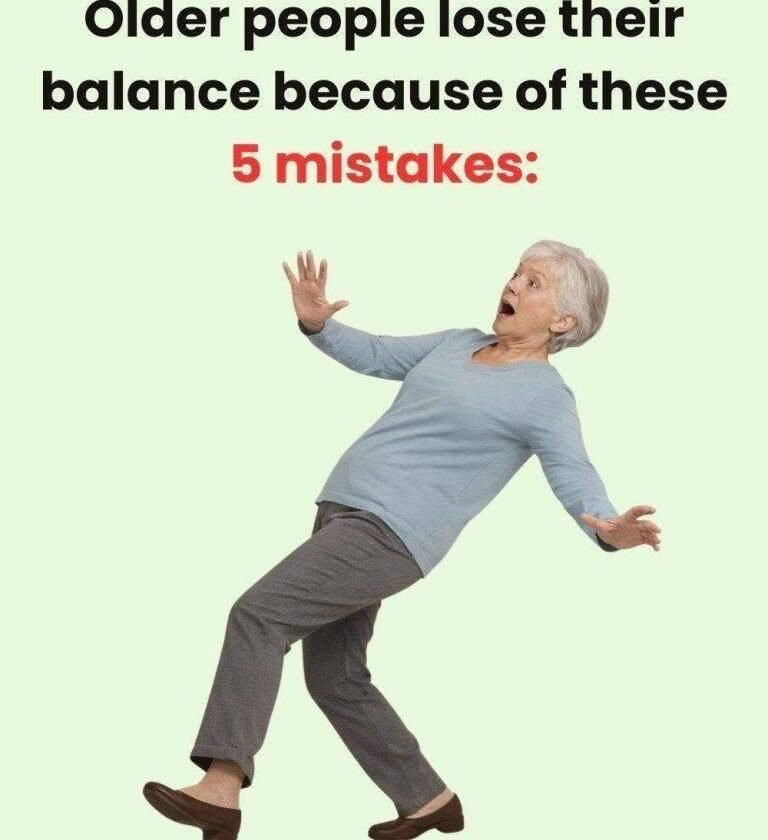
Common Mistakes That Can Affect Balance in Older Adults
Good balance helps reduce the risk of falls and supports independence. As we age, certain habits can make balance problems worse.
1. Staying Too Inactive
Too little movement can weaken the muscles needed for stability.
2. Ignoring Vision Problems
Poor vision can make it harder to notice obstacles and judge distances. Regular eye checks are important.
3. Wearing Unsafe Shoes
Loose, worn-out, or poorly fitting shoes can increase the risk of slipping or tripping.
4. Taking Medicines Without Review
Some medicines can cause dizziness or drowsiness. Ask a healthcare professional to review your medications if you notice balance problems.
5. Getting Up Too Quickly
Standing suddenly can sometimes cause dizziness, especially in people prone to low blood pressure.
6. Ignoring Previous Falls
A fall or near-fall can be an important warning sign. Tell your healthcare professional about it.
7. Poor Lighting and Clutter
Loose rugs, clutter, and dark hallways can create unnecessary fall hazards.
8. Avoiding Balance Exercises
Safe strength and balance exercises can help maintain mobility and stability.
Remember: New, sudden, or worsening balance problems should be medically evaluated, especially if they occur with weakness, numbness, severe headache, vision changes, or difficulty speaking.