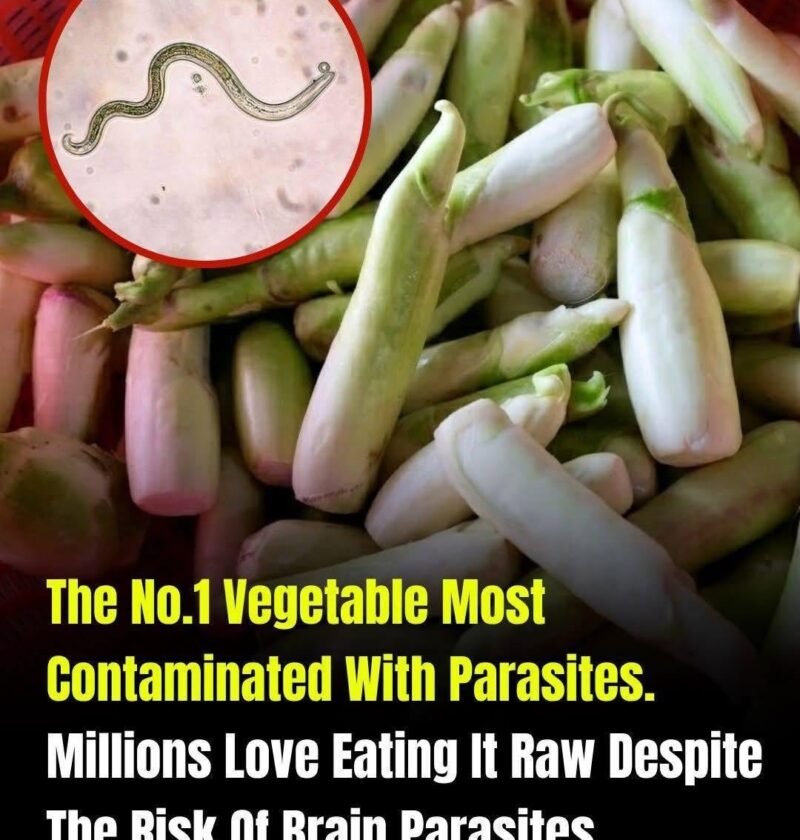
The Most Parasite-Contaminated Vegetable? What You Should Know About Hidden Risks
There isn’t one vegetable that can accurately be called “the most parasite-contaminated.” The risk depends on where the produce was grown, the quality of irrigation water, soil contamination, handling, and whether it is eaten raw. Parasites can contaminate raw vegetables when produce comes into contact with contaminated soil, water, or animal or human feces.
Vegetables That Deserve Extra Attention
1. Leafy greens
Lettuce, spinach, and other leafy greens can be difficult to clean because their many folds and surfaces can trap dirt and microorganisms. Unwashed leafy greens are considered a higher-risk produce choice for foodborne illness.
2. Raw watercress and other aquatic plants
Raw aquatic plants, including watercress, can transmit certain parasites when they are grown or exposed to contaminated water.
3. Raw sprouts
Sprouts are particularly vulnerable to contamination because they are grown under warm, humid conditions that can allow microorganisms to multiply. The FDA recommends avoiding raw sprouts, particularly for people at higher risk of serious foodborne illness.
4. Vegetables eaten raw without adequate washing
Any raw vegetable can potentially carry contaminants. Washing reduces contamination but doesn’t eliminate every microorganism or parasite.
How to Make Vegetables Safer
- Wash your hands with soap and water for at least 20 seconds before preparing produce.
- Rinse vegetables thoroughly under clean, running water.
- Gently rub the surface while rinsing.
- Use a clean produce brush on firm vegetables such as cucumbers.
- Remove damaged or bruised portions.
- Keep raw produce separate from raw meat, poultry, and seafood.
- Refrigerate cut or packaged vegetables promptly.
- Cook vegetables thoroughly when appropriate. Cooking provides greater protection than washing alone.
Don’t wash vegetables with soap
Despite some viral recommendations, don’t use dish soap, detergent, bleach, or household cleaning products on vegetables. These substances can leave harmful residues and aren’t recommended for cleaning produce.
Bottom line
The real concern isn’t one particular “dirty” vegetable. Unwashed raw produce, especially leafy greens, sprouts, and vegetables exposed to contaminated soil or water, can carry foodborne pathogens. Proper washing, safe storage, and cooking when appropriate greatly reduce the risk.