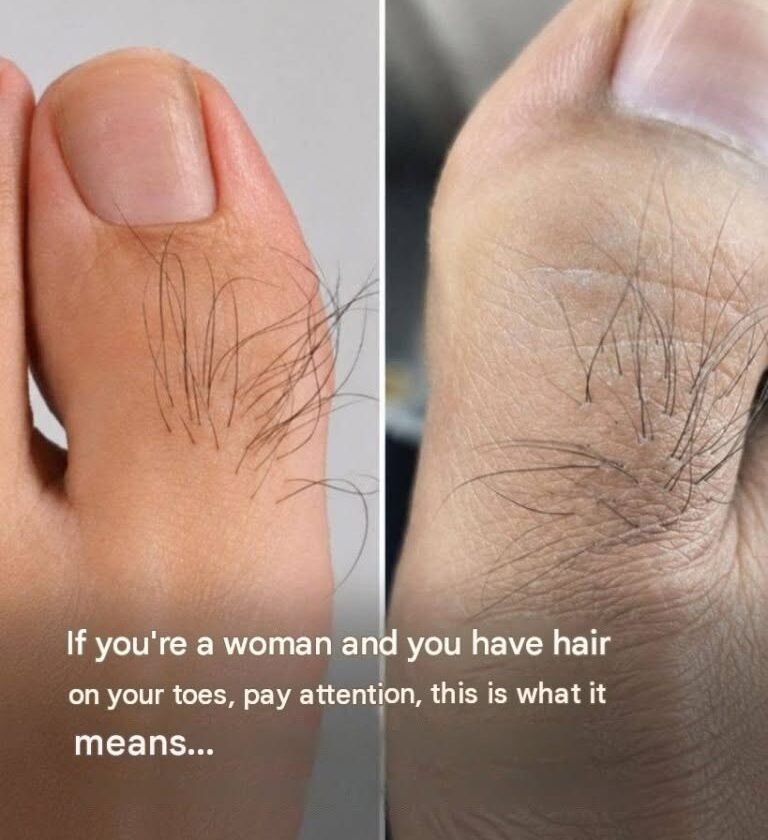
What Toe Hair Actually Reveals Most of the Time
-
Genetics and family traits: Hair thickness, color, and distribution—including on the lower legs, ankles, and toes—are strongly inherited. Some families naturally have finer, lighter hair, while others have darker or slightly coarser hair.
-
Normal hormone sensitivity: Hair follicles respond to androgens (hormones present in all bodies, though typically at lower levels in women). Normal variations in androgen sensitivity can cause fine or darker hairs on the toes or lower legs without any underlying medical disorder.
-
Friction and grooming habits: Tight socks, shoes, or regular shaving, waxing, or epilation on the lower legs and feet can affect how visible or stubbly hair looks, though shaving or waxing does not permanently multiply follicles or make hair grow back thicker than its natural shaft.
The Circulation Myth—and When Changes Do Matter
-
Many healthy people naturally have very little or no noticeable hair on their toes even with normal blood flow.
-
Conversely, a sudden or new loss of hair on the lower legs or toes—especially on one side or alongside symptoms like coldness, numbness, leg cramping when walking (claudication), slow-healing foot sores, or shiny, pale skin—can sometimes accompany peripheral artery disease (PAD) or reduced blood flow, which a doctor checks with proper exams rather than hair alone.
-
Less commonly, new or coarser excess body/facial hair in women (hirsutism) may be evaluated alongside other signs—such as irregular periods, acne, or scalp hair thinning—for conditions like polycystic ovary syndrome (PCOS) or thyroid/adrenal shifts.
Practical Takeaway
When to check in with a doctor: Speak with a healthcare provider if you notice sudden hair loss on your toes or lower legs accompanied by foot pain, coldness, color changes, or slow-healing sores, or if you develop new, widespread hair growth alongside irregular periods or other hormone-related symptoms.