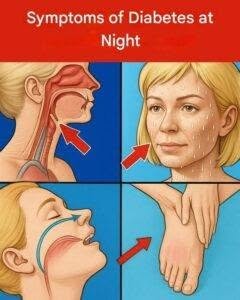
Amyotrophic lateral sclerosis (ALS), commonly known as Lou Gehrig’s disease, is a progressive neurodegenerative disease that affects nerve cells in the brain and spinal cord. Because early signs can be subtle and mimic other conditions, they are frequently overlooked at first.
Symptoms typically begin subtly and affect one side of the body or a specific region before spreading. They are generally categorized based on where they first appear:
1. Limb-Onset Symptoms (Arms or Legs)
For the majority of people, ALS starts in the limbs. Early signs include:
-
Hand Weakness & Fine Motor Issues: Difficulty with everyday tasks like buttoning a shirt, tying shoes, turning a key, writing, or repeatedly dropping objects due to a weak grip.
-
Foot Drop & Walking Changes: Tripping on carpets, stumbling on flat ground, or noticing that one foot drags because the muscles lifting the front of the foot have weakened.
-
Leg Fatigue: Feeling unusual heaviness or fatigue in one leg or arm.
2. Bulbar-Onset Symptoms (Speech or Swallowing)
In about 25% of cases, the disease first impacts the muscles of the face, throat, or tongue. Early signs include:
-
Speech Changes: A subtle slurring of words, a slower or nasal cadence, or a voice that sounds raspy and less distinct.
-
Swallowing Difficulties: Occasional choking on liquids, coughing when eating, or trouble managing saliva.
3. General Muscle Symptoms
As motor neurons begin to degenerate, generalized signs often manifest alongside weakness:
-
Fasciculations & Cramps: Involuntary muscle twitching (especially visible under the skin) and frequent muscle cramps, typically in the hands, calves, or feet.
-
Stiffness: A growing tightness or spasticity in the affected muscles.
What ALS Does Not Typically Affect
In the early stages—and often throughout the progression of the disease—ALS leaves certain systems intact. It generally does not affect:
-
The five senses (sight, touch, hearing, taste, smell)
-
Bladder and bowel control
-
Eye movement muscles (until very advanced stages)
If you or someone you know is experiencing persistent, unexplained muscle weakness, twitching, or changes in speech, it is important to schedule an evaluation with a neurologist for a proper diagnostic workup.