Most Common Causes of Ringing in the Ears
-
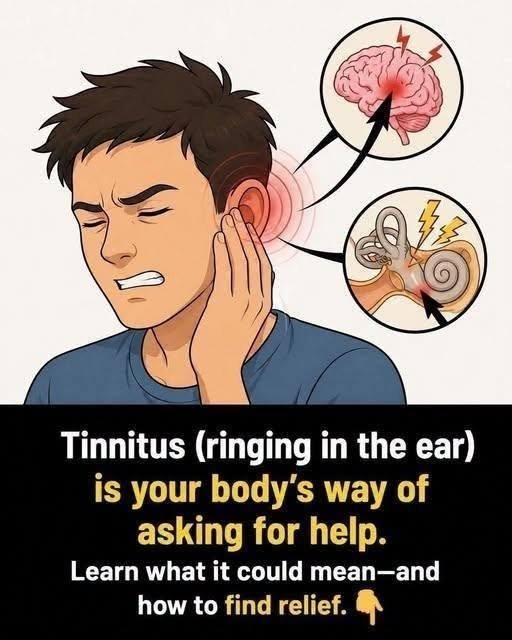
Noise-Induced or Age-Related Hearing Loss: The most frequent cause. Damage to the tiny sensory hair cells in the inner ear (cochlea) causes the brain to receive abnormal electrical signals, which it interprets as ringing, buzzing, or hissing.
-
Earwax Blockage or Fluid: A buildup of earwax (cerumen) or fluid from a cold, allergies, or sinus infection can change pressure in the ear canal and trigger temporary ringing.
-
Medications (Ototoxicity): High doses of aspirin, certain NSAIDs (like ibuprofen), specific antibiotics, loop diuretics, and some antidepressants can cause or worsen tinnitus.
-
Jaw or Neck Issues (TMJ): Problems with the temporomandibular joint (jaw) or tight neck muscles share nerve pathways with the auditory system and can trigger ringing.
-
Blood Vessel or Pressure Conditions: High blood pressure, narrowed arteries, or turbulent blood flow near the ear can cause pulsatile tinnitus—a rhythmic whooshing or thumping that beats in time with your pulse.
When to Seek Prompt Medical Evaluation
-
Lasts longer than a week or two without an obvious trigger (like a loud concert or head cold).
-
Occurs in only one ear (unilateral tinnitus).
-
Beats in rhythm with your heartbeat (pulsatile tinnitus).
-
Is accompanied by dizziness/vertigo, sudden hearing loss, ear pain, or facial weakness.