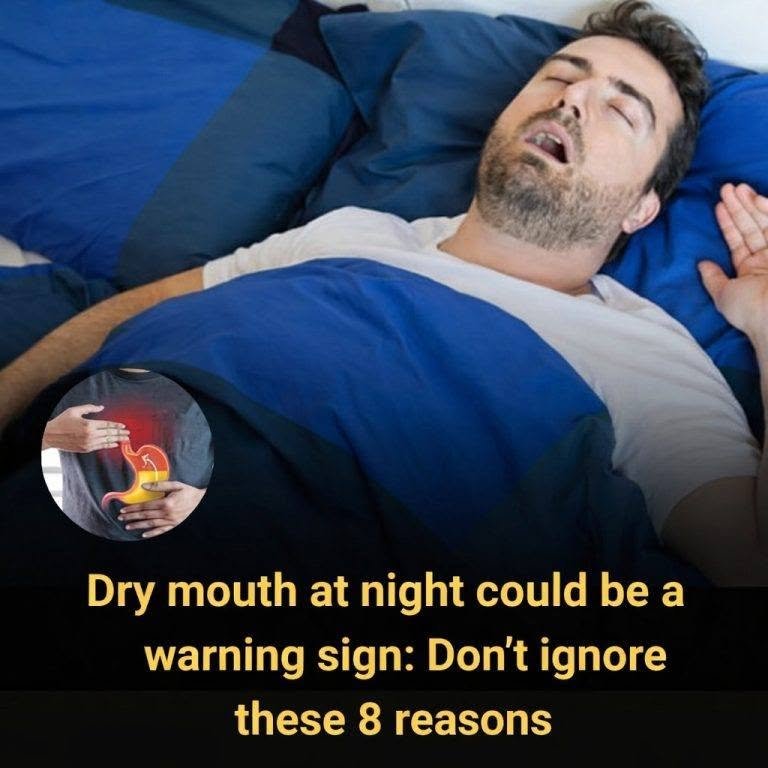
Waking up in the middle of the night with a mouth that feels like sandpaper—often called nocturnal xerostomia—is more than just an annoying discomfort. While an occasional dry mouth from sleeping with your mouth open is harmless, persistent nighttime dryness can be a warning sign of underlying health issues or lead to long-term dental complications.
Here are 8 warning signs and indicators associated with chronic dry mouth at night that you shouldn’t ignore:
1. Frequent Nocturnal Awakenings with Thirst
Waking up repeatedly throughout the night needing to take sips of water is a classic red flag. When your salivary glands slow down too much during sleep, the natural lubrication vanishes, triggering your brain’s thirst reflex.
2. Sticky, Thick, or “Cotton-Like” Saliva
If you wake up and your tongue feels like it’s sticking to the roof of your mouth, or your saliva has become thick, ropey, and sparse, it means your salivary flow is severely compromised.
3. Chronic Morning Bad Halitosis (Bad Breath)
Saliva acts as your mouth’s natural cleansing agent, washing away bacteria, food particles, and dead cells. Without adequate saliva production overnight, bacteria multiply rapidly, resulting in severe morning breath that doesn’t go away easily with brushing.
4. Sore Throat, Hoarseness, or a Burning Tongue
A lack of moisture irritates the delicate mucous membranes of your throat and mouth. Waking up with a raw, scratchy throat, a hoarse voice, or a burning sensation on your tongue can point to chronic nighttime dryness—or nighttime acid reflux (GERD), which frequently goes hand-in-hand with dry mouth.
5. Difficulty Swallowing, Speaking, or Tasting
Severe dryness reduces your ability to lubricate food, making it hard to swallow even your own saliva upon waking. Over time, it can also blunt your taste buds or make your tongue feel unusually rough.
6. Rapidly Accelerating Tooth Decay and Cavities
Saliva neutralizes acids produced by bacteria and provides minerals that protect tooth enamel. Without it, teeth become extraordinarily vulnerable to decay, particularly at the gumline and root surfaces, leading to sudden, unexplained cavities.
7. Frequent Mouth Sores, Cracked Lips, or Fissures
When mucosal tissues dry out, they lose their elasticity and protective barrier. This frequently results in painful cracks at the corners of the lips (angular cheilitis), bleeding gums, or recurrent canker sores.
8. Signs of Oral Thrush (Fungal Infection)
A dry mouth creates a breeding ground for yeast (Candida). If you notice white patches on your tongue, inner cheeks, or the roof of your mouth that look like cottage cheese and may bleed if scraped, you may have developed oral thrush as a direct consequence of chronic dryness.
Why Does It Happen and What Can You Do?
Nighttime dry mouth is frequently caused by mouth breathing (often due to nasal congestion, sleep apnea, or a deviated septum), medication side effects (such as antihistamines, blood pressure drugs, and antidepressants), dehydration, or autoimmune conditions like Sjögren’s syndrome.
-
Quick Relief Tips: Keep a glass of water by the bed, use a cool-mist humidifier in your bedroom to add moisture to the air, try a doctor-recommended moisturizing mouthwash or oral spray designed for dry mouth, and practice breathing through your nose rather than your mouth.
-
When to see a doctor: If chronic dry mouth persists despite changing your hydration habits or bedroom environment, consult your physician or dentist to check for underlying medical causes or medication adjustments.